Luxus in Africa Blog

Expert safari guides, wildlife stories, travel tips, and conservation news from Tanzania

Safari Packing List: The Ultimate Guide

April 25, 2025 Luxus in Africa Team Cultural Tourism
Safari Packing List: The Ultimate Guide

Everything You Need for the Perfect Safari

Packing for a safari requires balancing comfort, practicality, and style. You want to be prepared for varying conditions without overpacking (especially important with luggage restrictions on small aircraft). This comprehensive list covers everything you might need.

Clothing

Neutral colors are essential – khaki, beige, olive, brown, gray. Avoid bright colors (disturb wildlife), white (shows dust), and dark blue (attracts tsetse flies).

For game drives (safari days):

  • Lightweight long-sleeved shirts (3-4) – sun protection and insect protection
  • Lightweight trousers (3-4 pairs) – zip-off convertible options useful
  • T-shirts or short-sleeved shirts (2-3) – for warmer midday
  • Fleece or warm jacket – essential for cold morning game drives
  • Rain jacket – lightweight, packable (for green season)
  • Comfortable walking shoes – for lodge walks and activities
  • Wide-brimmed hat – essential sun protection
  • Sunglasses – polarized recommended
  • Scarf or buff – for dust, sun, or warmth
  • Swimwear – most lodges have pools

For evenings (dinner and lodge):

  • Smart casual wear – collared shirts for men, sundresses or nice tops for women
  • Light sweater or jacket – evenings can be cool
  • Comfortable sandals or shoes

For Zanzibar/beach extension:

  • Lightweight clothing – shorts, t-shirts, sundresses
  • Swimwear (multiple sets)
  • Cover-ups or kikoi (traditional wrap)
  • Flip-flops or beach sandals
  • Modest clothing for Stone Town – cover shoulders and knees

Footwear

  • Comfortable, broken-in walking shoes/hiking boots
  • Sandals or flip-flops for lodge and pool
  • Optional: casual shoes for evenings

Gear and Equipment

  • Binoculars: Essential – 8x42 or 10x42 recommended
  • Camera: With extra memory cards and batteries
  • Headlamp or flashlight: For evening walks in camp
  • Power bank: For charging devices
  • Universal adapter: Tanzania uses British-style three-pin plugs (Type G)
  • Reusable water bottle: Many lodges provide filtered water
  • Small backpack: For day trips and game drives
  • Dry bag: For protecting electronics from dust

Health and Toiletries

  • Sunscreen: High SPF, eco-friendly if possible
  • Insect repellent: DEET or picaridin based (also eco-friendly options)
  • Lip balm with SPF
  • Personal medications: Bring extras in case of delays
  • First aid kit: Plasters, antiseptic, pain relievers, anti-diarrheal, antihistamines
  • Malaria prophylaxis: As prescribed by your doctor
  • Motion sickness tablets: For rough roads or small aircraft
  • Hand sanitizer
  • Wet wipes – useful for dust and freshening up
  • Toiletries: Biodegradable soap/shampoo if possible (many lodges provide amenities)

Documents and Money

  • Passport: Valid at least 6 months beyond travel dates
  • Visa: Available online or on arrival (check current requirements)
  • Flight itineraries and confirmations
  • Travel insurance documents
  • Cash: US dollars (new bills, post-2013, no marks) – for visas, tips, souvenirs
  • Credit/debit cards: Visa/Mastercard accepted in cities and lodges (with fees)
  • Copies: Photocopies of important documents stored separately

Optional Items

  • Kindle or books
  • Travel journal and pen
  • Small binoculars for children
  • Snacks (though lodges provide ample food)
  • Earplugs (for light sleepers – animals can be noisy!)
  • Neck pillow for flights
  • Binocular harness (more comfortable than neck strap)
  • Camera bean bag (or use provided at lodge)

What NOT to Bring

  • Expensive jewelry or valuables
  • Drones (strictly prohibited in national parks)
  • Plastic bags (banned in Tanzania)
  • Firearms or weapons
  • Hard-sided suitcases (for fly-in safaris – soft bags only)
  • Too many clothes (laundry services available at most lodges)

Luggage Restrictions for Fly-In Safaris

If your itinerary includes small aircraft flights, luggage is limited to 15-20 kg (33-44 lbs) per person in soft-sided bags. Hard suitcases won't fit. Most lodges offer laundry services, so you can pack less and wash during your stay.

Safari for Bird Lovers: Tanzania's Avian Wonders

April 20, 2025 Dr. Peter Omondi Mountain Climbing
Safari for Bird Lovers: Tanzania's Avian Wonders

A Birder's Paradise

With over 1,100 bird species recorded, Tanzania is one of Africa's premier birding destinations. From the flamingos of the Rift Valley lakes to the endemics of the Eastern Arc Mountains, the diversity is staggering. Whether you're a dedicated lister or casual enthusiast, the birds of Tanzania will amaze you.

Top Birding Locations

Lake Manyara National Park: Over 400 species recorded. Highlights include flamingos (seasonal), pelicans, storks, and diverse waterbirds. The groundwater forest offers forest species like silvery-cheeked hornbill and tropical boubou.

Arusha National Park: Excellent for forest birds in montane habitat. Look for bar-tailed trogon, Narina trogon, and various sunbirds. Momella Lakes attract waterbirds including flamingos.

Serengeti National Park: Over 500 species recorded. Open plains species include ostriches, secretary birds, kori bustards (heaviest flying bird), and various bustards and coursers. Acacia woodland offers barbets, woodpeckers, and hornbills.

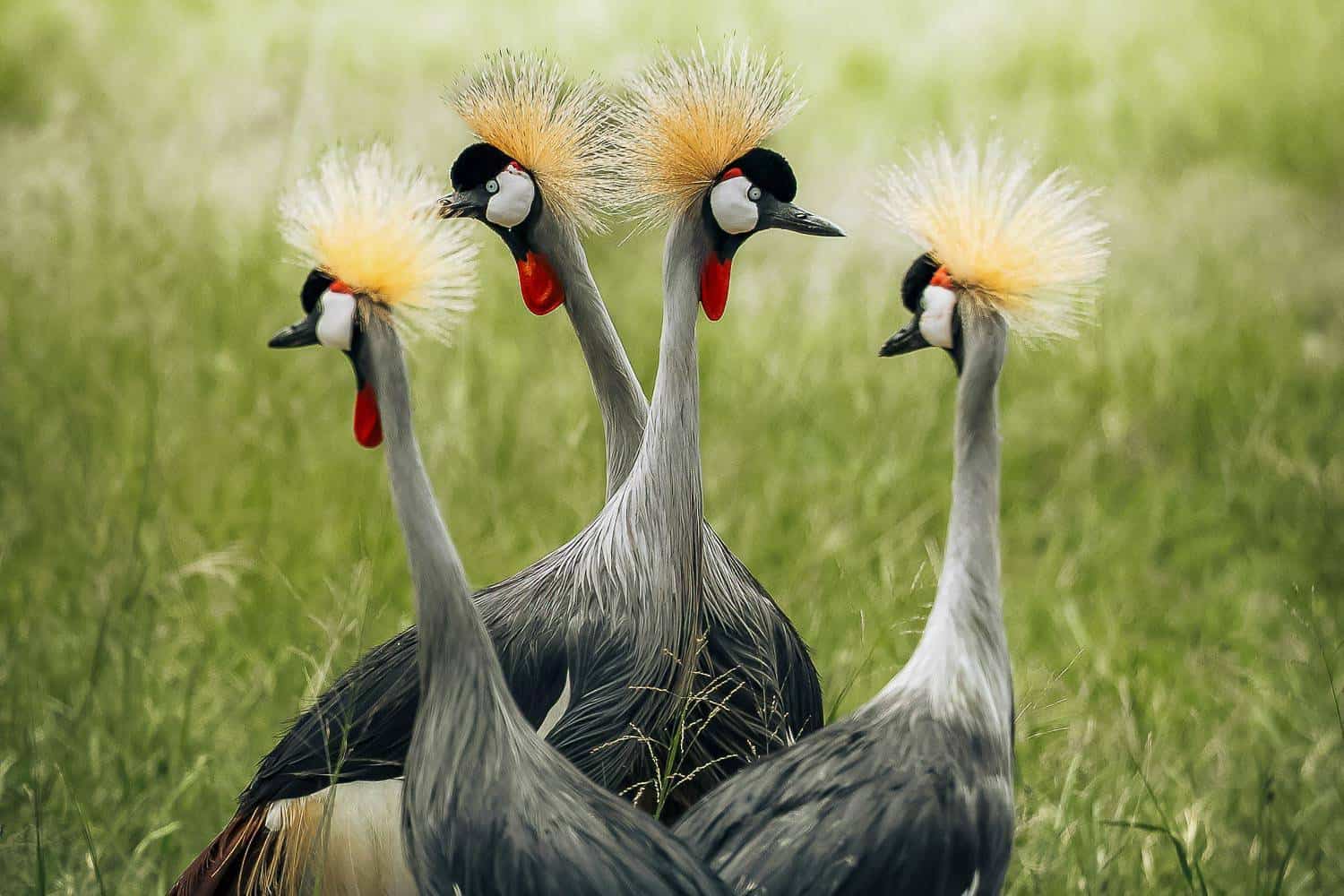
Ngorongoro Crater: Open grasslands and Lake Magadi attract flamingos, pelicans, crowned cranes, and raptors. The crater rim forest has different species including mountain buzzards.

Tarangire National Park: Excellent for dry-country specials. Look for yellow-collared lovebird (endemic to Tanzania), ashy starling, vulturine guineafowl, and northern pied babbler. The swamps attract herons and storks.

Eastern Arc Mountains (Udzungwa, Uluguru): Endemic hotspot. Species found nowhere else include Udzungwa forest partridge, rufous-winged sunbird, and various forest specialists.

Lake Victoria area: Blue swallow (migrant), papyrus gonolek, and various wetland species.

Mahale and Gombe: Forest species including greenbuls, barbets, and the stunning Ross's turaco.

Zanzibar and Coast: Coastal species including mangrove kingfisher, Zanzibar red bishop, and various seabirds.

Seasonal Highlights

November-April: Northern migrants present (European rollers, swallows, warblers). Resident birds in breeding plumage. Green season offers lush conditions for photography.

May-October: Dry season concentrates birds around water sources. Excellent for waterbirds and raptors.

Year-round: Most resident species present, though some are easier in certain seasons.

Specialties and Endemics

Tanzania has several near-endemic species found only here and in small parts of neighboring countries:

  • Yellow-collared lovebird (Tarangite, Lake Manyara)
  • Ashy starling (northern Tanzania)
  • Rufous-tailed weaver (Selous, Ruaha)
  • Udzungwa forest partridge (Udzungwa Mountains)
  • Msira ground thrush (Eastern Arc Mountains)
  • Rubeho akalat (Eastern Arc)
  • Iringa akalat (Udzungwa)
  • Pemba scops owl (Pemba Island)
  • Pemba green pigeon (Pemba Island)
  • Zanzibar red bishop (Zanzibar)

Birding Safaris with Luxus in Africa

We offer specialized birding safaris led by expert ornithologist guides. These trips feature:

  • Itineraries designed around target species
  • High-quality spotting scopes and optics
  • Small groups for minimal disturbance
  • Early morning starts (birds are most active)
  • Combined with general wildlife viewing
  • Photography-focused options available
  • Field guides and checklists provided
  • Recording and listing assistance

Essential Gear for Birders

  • Binoculars: 8x42 or 10x42 recommended
  • Spotting scope: For distant waterbirds and raptors
  • Field guide: Stevenson & Fanshawe's "Birds of East Africa"
  • Camera: For documentation and memories
  • Notebook: For recording sightings
  • App: eBird or similar for checklists
  • Comfortable walking shoes: For forest birding
  • Neutral clothing: Avoid bright colors

The Big Five: Where to Find Them in Tanzania

April 15, 2025 Luxus in Africa Team Safari Destinations
The Big Five: Where to Find Them in Tanzania

Africa's Most Wanted

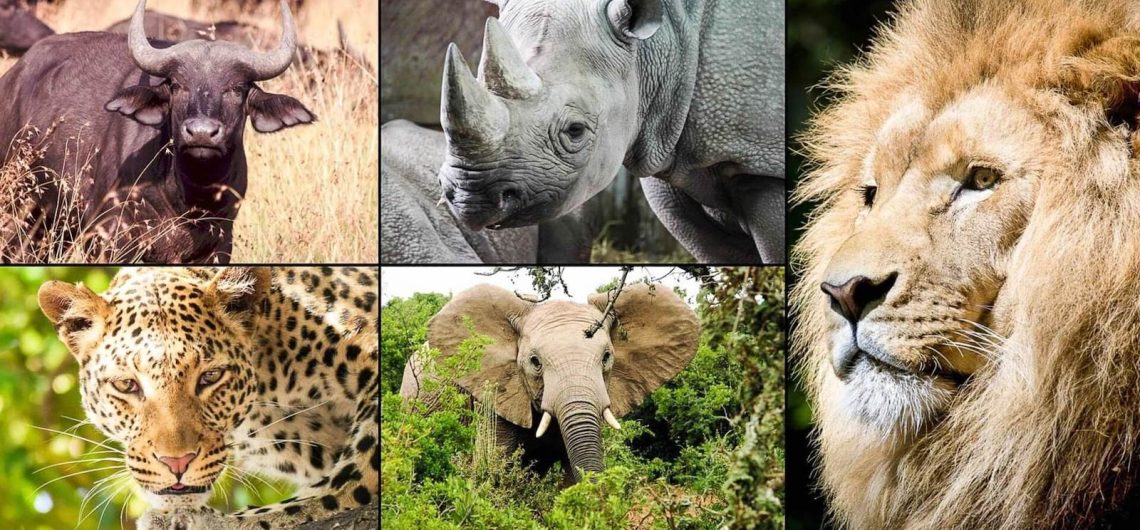
The "Big Five" – lion, leopard, elephant, rhino, and buffalo – were originally named for their difficulty to hunt on foot. Today, they're the most sought-after sightings on safari. Tanzania offers excellent opportunities to see all five, though some require more effort than others.

Lion (Panthera leo)

Tanzania has the largest lion population in Africa, estimated at 15,000-20,000 individuals.

Best places to see lions:

  • Serengeti National Park: Exceptional throughout, particularly central Seronera Valley and during migration (high prey density)
  • Ngorongoro Crater: High density, often seen on the crater floor
  • Ruaha National Park: Large population, excellent for seeing big prides
  • Selous Game Reserve: Good populations, fewer tourists
  • Tarangire National Park: Good sightings year-round

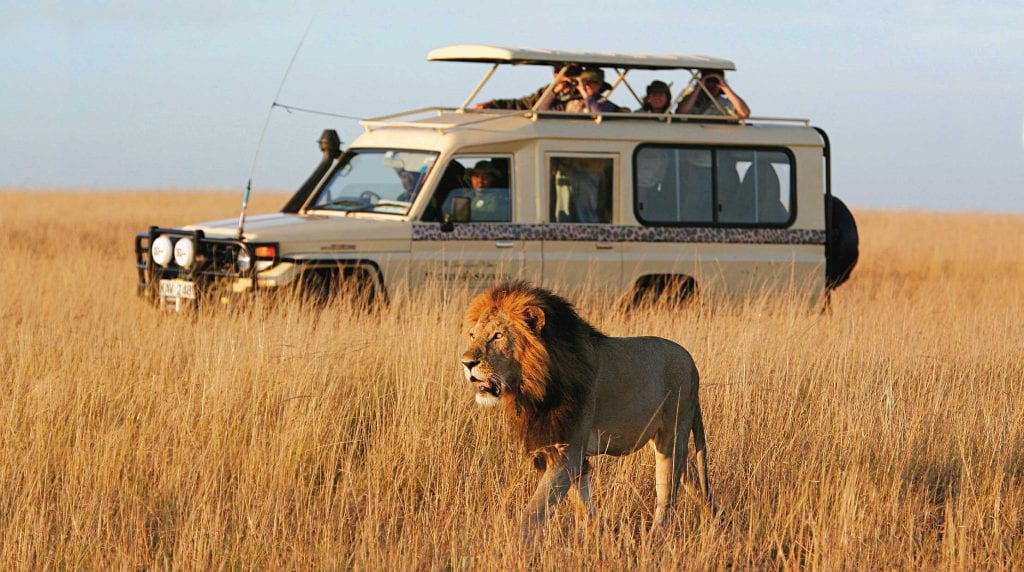
Tips: Lions are most active at dawn and dusk. During the heat of the day, they rest in shade, often near rocks or under trees. In the Serengeti, follow the migration – lions follow the herds.

Leopard (Panthera pardus)

The most elusive of the Big Five. Leopards are solitary, secretive, and often hide during the day.

Best places to see leopards:

  • Serengeti National Park: Seronera Valley is famous for leopards, particularly along the Seronera River
  • Lake Manyara National Park: Good population, often seen in trees
  • Ngorongoro Crater: Leopards present, though less common than lions
  • Ruaha National Park: Healthy population
  • Tarangire National Park: Good sightings, particularly in trees
  • Private concessions: Night drives increase chances significantly

Tips: Look up – leopards often rest in trees during the day with their kill. Scan rocky outcrops and riverbanks. Early morning and late afternoon are best. Follow the sound of alarm calls from baboons or other animals.

African Elephant (Loxodonta africana)

Tanzania's elephant populations have recovered well in many areas after poaching declines.

Best places to see elephants:

  • Tarangire National Park: Famous for large herds (up to 300) during dry season
  • Ruaha National Park: Second largest elephant population in Tanzania
  • Selous Game Reserve: Large population, fewer tourists
  • Serengeti National Park: Present throughout, though less concentrated than Tarangire
  • Lake Manyara: Good population, known for elephants in forest
  • Ngorongoro Crater: Small resident population, mainly bulls

Tips: Visit Tarangire June-October for massive herds around the river. Elephants are most active morning and late afternoon. Watch for family groups with youngsters – adorable but protective mothers.

Black Rhino (Diceros bicornis)

The most endangered of the Big Five. Tanzania's black rhino population is small but protected. Sightings require patience and luck.

Best places to see rhinos:

  • Ngorongoro Crater: Best chance in Tanzania, with a resident population of 25-30 rhinos, often seen on the crater floor
  • Serengeti National Park: Small population in Moru Kopjes area, but sightings rare
  • Mkomazi National Park: Rhino sanctuary with good viewing chances
  • Selous Game Reserve: Small population, very rare sightings

Tips: Ngorongoro is your best bet. Rhinos are most active early morning and late afternoon. They prefer open grasslands where they can see approaching threats. Use binoculars to spot them at a distance – rangers track them constantly and can guide you to recent sightings.

African Buffalo (Syncerus caffer)

The most numerous and widely distributed of the Big Five. Buffalo are found throughout Tanzania's parks, often in large herds.

Best places to see buffalo:

  • Serengeti National Park: Large herds everywhere
  • Ngorongoro Crater: Large resident herds
  • Katavi National Park: Massive herds (thousands) in dry season
  • Ruaha National Park: Large populations
  • Tarangire: Common, especially near water
  • Selous: Large herds in the park

Tips: Buffalo are almost guaranteed in any park. They're most active early and late, resting in shade during midday. Old bulls often separate from herds – these solitary individuals can be bad-tempered, so give them space.

Beyond the Big Five

While searching for the Big Five, don't overlook Tanzania's other incredible wildlife: cheetah, wild dog, giraffe, zebra, hippo, crocodile, and hundreds of bird species. The "Little Five" (elephant shrew, ant lion, leopard tortoise, buffalo weaver, rhino beetle) offer fun challenges for children and enthusiasts.

Private Safari Concessions: Exclusive Wildlife Viewing

April 10, 2025 Michael Thompson Safari Destinations
Private Safari Concessions: Exclusive Wildlife Viewing

Your Private Piece of Africa

While national parks offer spectacular wildlife viewing, private concessions take the safari experience to another level. These areas, leased from communities or government, offer exclusive access and activities not permitted in national parks.

What Are Private Concessions?

Private concessions are areas where a single operator (or small number of camps) has exclusive rights to offer safari experiences. They're typically adjacent to national parks or in wildlife-rich areas. Because only guests from the concession's camps can use the area, you'll share the wilderness with very few others.

Advantages of Private Concessions

Exclusive Access: You won't encounter dozens of vehicles at sightings. Wildlife viewing is intimate and private, with just your group and your guide.

Off-Road Driving: Unlike national parks where vehicles must stay on tracks, many concessions allow off-road driving. This means you can get closer to sightings and follow wildlife into the bush.

Night Drives: Most concessions permit night game drives, revealing nocturnal wildlife you won't see in national parks.

Walking Safaris: Walking is often permitted in concessions, offering a different perspective.

Flexible Schedules: Without park opening/closing times, you can start early, stay late, and plan your day around wildlife activity.

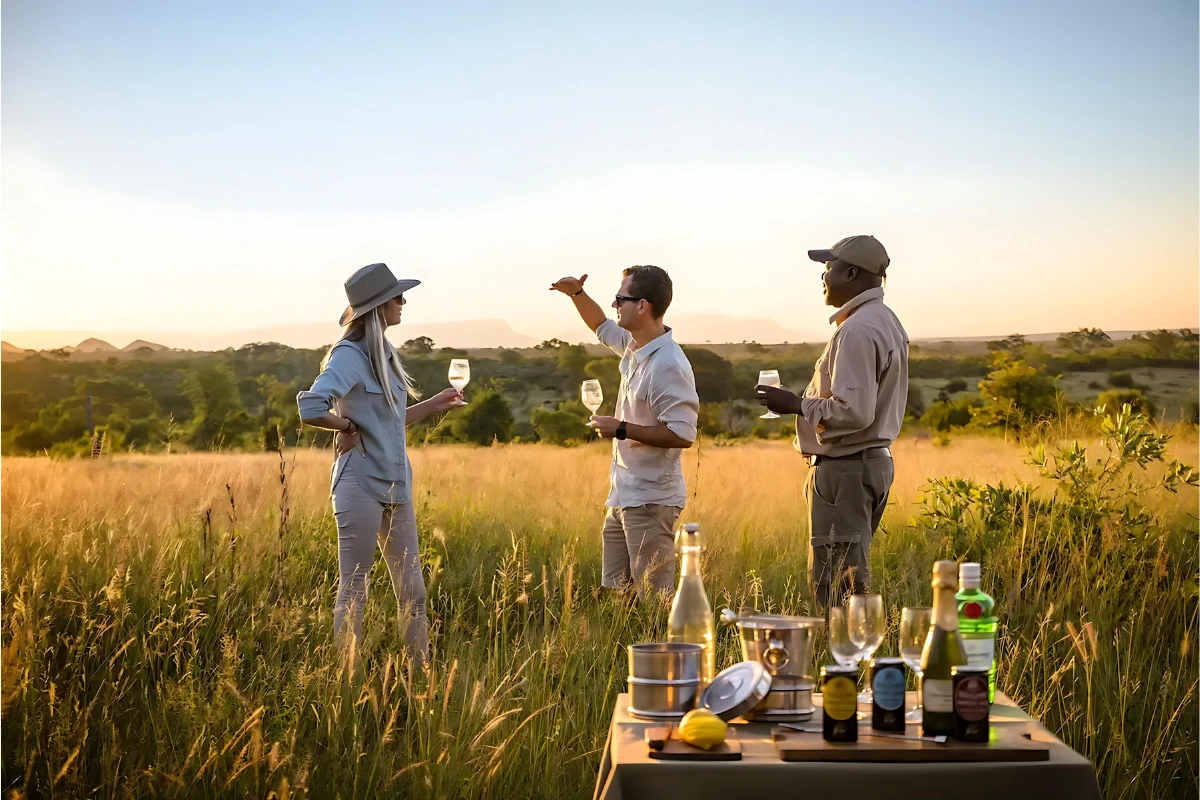
Bush Meals: Enjoy breakfast, lunch, or sundowners anywhere in the concession – not just designated picnic sites.

Fewer Vehicles: With only a handful of vehicles from the concession's camps, sightings are peaceful and uncrowded.

Top Private Concessions in Tanzania

Singita Grumeti Concession: 350,000 acres adjacent to Serengeti National Park. Home to five luxury properties, exceptional wildlife, and conservation-focused management. Excellent for migration river crossings, off-road driving, and night drives.

Namiri Plains Concession: Eastern Serengeti area, former cheetah research site. Known for exceptional big cat viewing, particularly cheetah. Limited to one camp, ensuring exclusivity.

Klein's Camp Concession: Private concession in the northern Serengeti, bordering the Masai Mara. Excellent for migration season, with off-road driving and night drives.

Grumeti Reserves: Various private reserves in the western Serengeti corridor, offering exclusive experiences and migration viewing.

Manyara Ranch Conservancy: Private conservancy between Lake Manyara and Tarangire, offering night drives, walking safaris, and excellent wildlife.

Selous Game Reserve: While technically a game reserve, large areas function like concessions with exclusive camps and walking safaris.

Concession vs. National Park: Which to Choose?

Both offer incredible experiences, and many itineraries combine them:

Choose a concession for:

  • Exclusive, private experiences
  • Off-road driving and night drives
  • Walking safaris
  • Fewer vehicles at sightings
  • Flexible schedules and bush meals

Choose national parks for:

  • Larger landscapes and migration spectacles
  • Ngorongoro Crater (unique caldera)
  • Broader range of accommodation options
  • Often lower cost than exclusive concessions

Conservation Benefits

Private concessions often lead conservation efforts. They fund anti-poaching, support research, and provide employment for local communities. By staying in concessions, you contribute directly to wildlife protection and community development.

Hiking Safaris: Walking Through Wild Africa

April 05, 2025 James Wilson Mountain Climbing
Hiking Safaris: Walking Through Wild Africa

The Original Safari

Before vehicles, safaris were on foot. Walking safaris offer a completely different perspective - the sounds, smells, and small details you miss from a vehicle. It's the most intimate way to experience the bush.

Why Walk?

On foot, you notice the small things - tracks, insects, plants, and the subtle signs of animal presence. You feel the earth beneath your feet, hear the crunch of dry grass, and experience the heightened awareness that comes from being in wild country without barriers. It's humbling and exhilarating.

Where Walking Safaris Are Offered

Walking safaris are permitted in many areas, including:

  • Selous Game Reserve: Excellent walking terrain with expert guides
  • Ruaha National Park: Walking safaris in this vast wilderness
  • Katavi National Park: Remote walking experiences
  • Tarangire National Park: Walking safaris in certain areas
  • Mahale Mountains: Walking through forest for chimpanzee trekking
  • Private concessions: Many offer exclusive walking experiences
  • Ngorongoro Highlands: Scenic walks between craters
  • Arusha National Park: Walking safaris to crater floor

What to Expect

A typical walking safari lasts 2-4 hours, usually in the cooler morning hours. Groups are small (maximum 6-8 walkers) and led by an armed guide and often a tracker. You'll walk in single file, stopping frequently to examine tracks, plants, and insects. Your guide will interpret the landscape, teaching you to read the signs of animal activity.

Safety is paramount. Guides carry rifles and are trained to assess wildlife behavior. You'll be briefed on how to behave around different animals. Most animals will move away from humans; encounters are usually at a respectful distance.

What to Bring

  • Sturdy walking shoes/boots: Broken in, comfortable, ankle support recommended
  • Neutral-colored clothing: Long trousers and sleeves for protection
  • Sun protection: Hat, sunglasses, sunscreen
  • Water bottle: At least 1-2 liters
  • Small backpack: For carrying water and personal items
  • Camera: For tracks, plants, and landscape shots
  • Insect repellent: Essential in bushy areas
  • Binoculars: For distant wildlife viewing

Safety Guidelines

  • Always follow your guide's instructions immediately
  • Stay together - never wander ahead or lag behind
  • Keep noise to a minimum
  • Never run - it can trigger chase instincts
  • If an animal approaches, stay calm and follow guide's direction
  • Don't block the guide's line of sight to the group
  • Inform your guide of any medical conditions before the walk

Walking Safari Experiences

Nature walks: Focus on flora, tracks, insects, and smaller creatures - fascinating for naturalists.

Wildlife tracking: Follow animal tracks and learn to interpret sign - exciting when you find the animal.

Birding walks: Slow, quiet walks for bird enthusiasts.

Photography walks: Capture details you miss from vehicles.

Fly camping: Multi-day walking safaris with lightweight camping - the ultimate adventure.

Is Walking Safari Right for You?

Walking safaris are suitable for most fitness levels - they're walks, not hikes. You set the pace, and distances are modest. If you can walk for 2-3 hours on uneven ground, you can enjoy a walking safari. They're not recommended for those with serious mobility issues, but alternatives exist for everyone.

Tanzania vs. Kenya Safari: Which is Right for You?

March 25, 2025 Luxus in Africa Team Cultural Tourism
Tanzania vs. Kenya Safari: Which is Right for You?

Two Countries, One Spectacular Region

Kenya and Tanzania share the same ecosystems - the Serengeti continues as Kenya's Masai Mara, Kilimanjaro straddles both borders, and both offer world-class safaris. But they offer distinct experiences. Here's how to choose.

The Great Migration

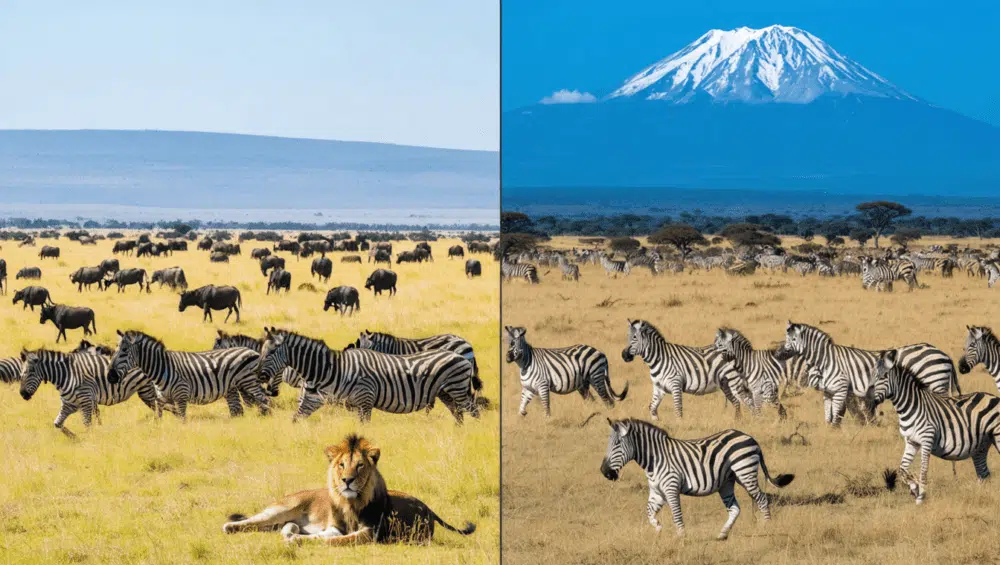
Tanzania: The migration spends most of the year in Tanzania - calving (Jan-Mar), moving through central/western Serengeti (Apr-Jun), and river crossings in northern Serengeti (Jul-Oct). You can witness migration action for 9-10 months of the year.

Kenya: The herds typically cross into Kenya's Masai Mara from July to October, offering spectacular Mara River crossings. For the rest of the year, the migration is in Tanzania.

Verdict: Choose Tanzania for longer migration viewing; choose Kenya for concentrated Mara River crossing season (July-Oct).

Parks and Landscapes

Tanzania: Incredible diversity - Serengeti plains, Ngorongoro Crater (unique caldera), Tarangire baobabs, Lake Manyara, remote parks like Ruaha and Katavi, and the beaches of Zanzibar. More varied landscapes overall.

Kenya: Masai Mara (extension of Serengeti), Amboseli (Kilimanjaro views), Lake Nakuru (flamingos), Samburu (unique northern species), and beautiful coastal beaches (Diani, Watamu).

Verdict: Tanzania offers more variety and the unique Ngorongoro Crater; Kenya has iconic Kilimanjaro views from Amboseli.

Wildlife Density and Viewing

Tanzania: Larger wildlife populations overall (more wildebeest, zebras). Ngorongoro Crater offers almost guaranteed sightings of rhinos and the Big Five. Predator viewing excellent throughout.

Kenya: Masai Mara has exceptional wildlife density, particularly during migration. Amboseli famous for elephants. Northern parks offer species not found in Tanzania (Grevy's zebra, reticulated giraffe, Somali ostrich).

Verdict: Both excellent - Tanzania for larger populations, Kenya for northern specialties.

Accommodations and Infrastructure

Tanzania: Wide range of luxury options, from world-class lodges to mobile camps. Fly-in safaris well-developed. Some parks (especially southern) more remote with basic infrastructure.

Kenya: Longer safari history means established infrastructure. Excellent luxury lodges and camps. Generally easier access with more airstrips.

Verdict: Kenya slightly more developed infrastructure; Tanzania more wilderness options.

Beach Combinations

Tanzania: Zanzibar, Pemba, and Mafia islands offer world-class beaches with rich cultural history (Stone Town). Easy flights from safari areas.

Kenya: Diani, Watamu, and Lamu offer beautiful beaches with less cultural tourism but excellent marine parks.

Verdict: Tanzania's Zanzibar is hard to beat for cultural and beach combination.

Best For...

Choose Tanzania if:

  • You want to see the Ngorongoro Crater
  • You're interested in chimpanzee trekking (Mahale/Gombe)
  • You want a beach extension with cultural interest (Zanzibar)
  • You prefer more remote, less crowded parks
  • You're visiting January-June (migration in Tanzania)

Choose Kenya if:

  • You're focused on July-October Mara River crossings
  • You want Kilimanjaro views from Amboseli
  • You're interested in northern Kenya's unique species
  • You prefer well-established safari infrastructure
  • You have limited time (Kenya parks closer to Nairobi)
  • Can You Combine Both?

    Yes! Combined Kenya-Tanzania safaris are possible, though they require careful planning due to border formalities. We can design itineraries that include both countries, typically flying between destinations.