Luxus in Africa Blog

Expert safari guides, wildlife stories, travel tips, and conservation news from Tanzania

Category: Mountain Climbing Clear

Safari for Bird Lovers: Tanzania's Avian Wonders

April 20, 2025 Dr. Peter Omondi Mountain Climbing
Safari for Bird Lovers: Tanzania's Avian Wonders

A Birder's Paradise

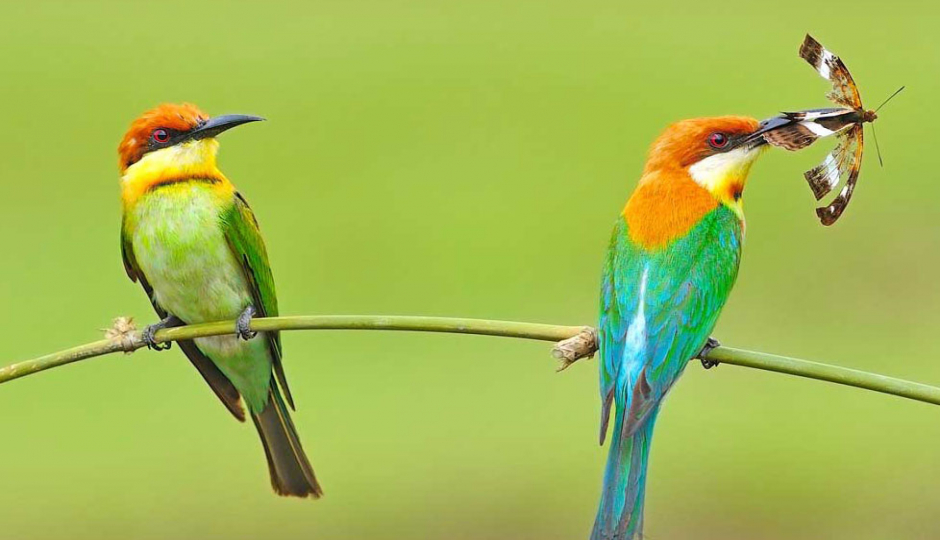
With over 1,100 bird species recorded, Tanzania is one of Africa's premier birding destinations. From the flamingos of the Rift Valley lakes to the endemics of the Eastern Arc Mountains, the diversity is staggering. Whether you're a dedicated lister or casual enthusiast, the birds of Tanzania will amaze you.

Top Birding Locations

Lake Manyara National Park: Over 400 species recorded. Highlights include flamingos (seasonal), pelicans, storks, and diverse waterbirds. The groundwater forest offers forest species like silvery-cheeked hornbill and tropical boubou.

Arusha National Park: Excellent for forest birds in montane habitat. Look for bar-tailed trogon, Narina trogon, and various sunbirds. Momella Lakes attract waterbirds including flamingos.

Serengeti National Park: Over 500 species recorded. Open plains species include ostriches, secretary birds, kori bustards (heaviest flying bird), and various bustards and coursers. Acacia woodland offers barbets, woodpeckers, and hornbills.

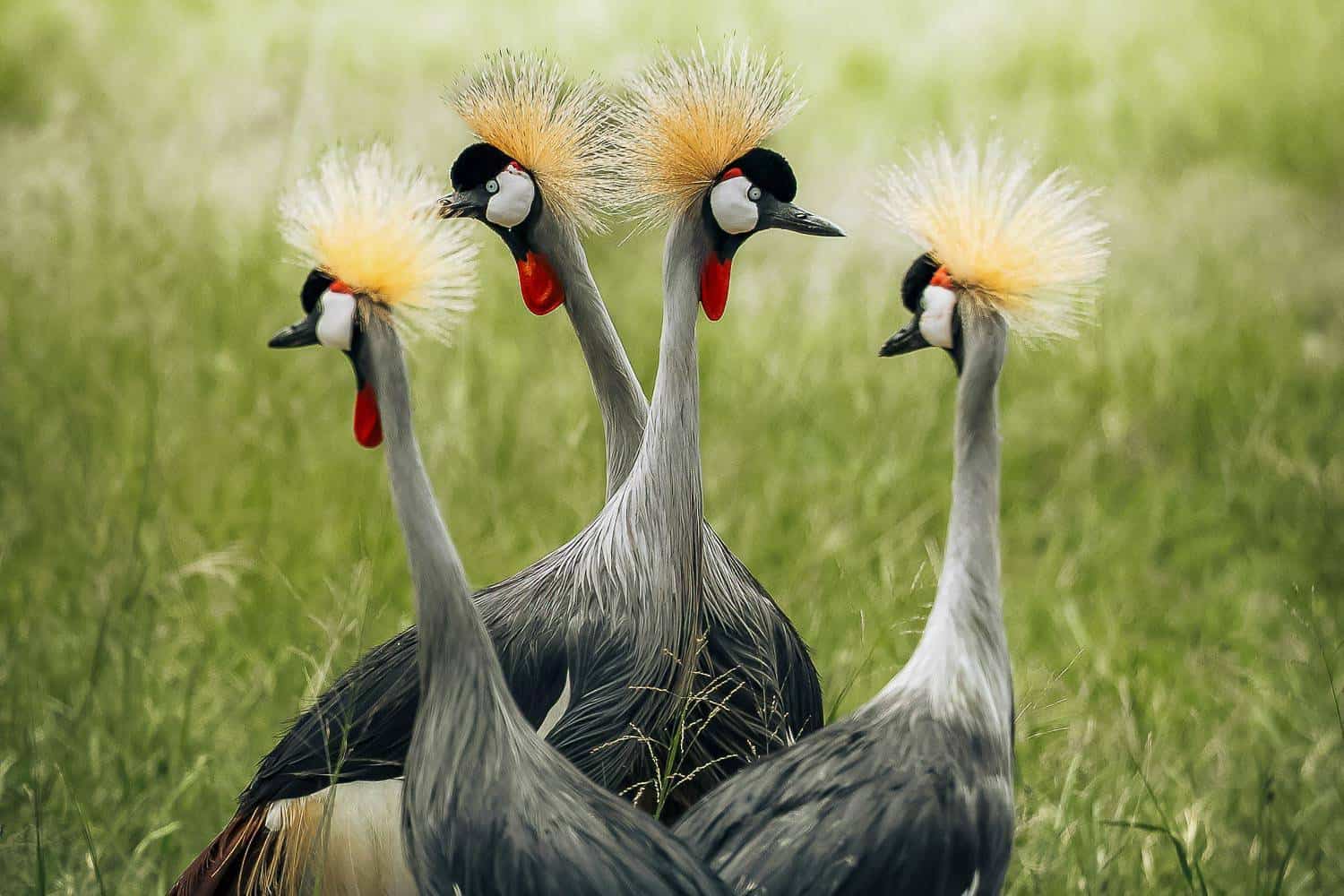
Ngorongoro Crater: Open grasslands and Lake Magadi attract flamingos, pelicans, crowned cranes, and raptors. The crater rim forest has different species including mountain buzzards.

Tarangire National Park: Excellent for dry-country specials. Look for yellow-collared lovebird (endemic to Tanzania), ashy starling, vulturine guineafowl, and northern pied babbler. The swamps attract herons and storks.

Eastern Arc Mountains (Udzungwa, Uluguru): Endemic hotspot. Species found nowhere else include Udzungwa forest partridge, rufous-winged sunbird, and various forest specialists.

Lake Victoria area: Blue swallow (migrant), papyrus gonolek, and various wetland species.

Mahale and Gombe: Forest species including greenbuls, barbets, and the stunning Ross's turaco.

Zanzibar and Coast: Coastal species including mangrove kingfisher, Zanzibar red bishop, and various seabirds.

Seasonal Highlights

November-April: Northern migrants present (European rollers, swallows, warblers). Resident birds in breeding plumage. Green season offers lush conditions for photography.

May-October: Dry season concentrates birds around water sources. Excellent for waterbirds and raptors.

Year-round: Most resident species present, though some are easier in certain seasons.

Specialties and Endemics

Tanzania has several near-endemic species found only here and in small parts of neighboring countries:

  • Yellow-collared lovebird (Tarangite, Lake Manyara)
  • Ashy starling (northern Tanzania)
  • Rufous-tailed weaver (Selous, Ruaha)
  • Udzungwa forest partridge (Udzungwa Mountains)
  • Msira ground thrush (Eastern Arc Mountains)
  • Rubeho akalat (Eastern Arc)
  • Iringa akalat (Udzungwa)
  • Pemba scops owl (Pemba Island)
  • Pemba green pigeon (Pemba Island)
  • Zanzibar red bishop (Zanzibar)

Birding Safaris with Luxus in Africa

We offer specialized birding safaris led by expert ornithologist guides. These trips feature:

  • Itineraries designed around target species
  • High-quality spotting scopes and optics
  • Small groups for minimal disturbance
  • Early morning starts (birds are most active)
  • Combined with general wildlife viewing
  • Photography-focused options available
  • Field guides and checklists provided
  • Recording and listing assistance

Essential Gear for Birders

  • Binoculars: 8x42 or 10x42 recommended
  • Spotting scope: For distant waterbirds and raptors
  • Field guide: Stevenson & Fanshawe's "Birds of East Africa"
  • Camera: For documentation and memories
  • Notebook: For recording sightings
  • App: eBird or similar for checklists
  • Comfortable walking shoes: For forest birding
  • Neutral clothing: Avoid bright colors

Hiking Safaris: Walking Through Wild Africa

April 05, 2025 James Wilson Mountain Climbing
Hiking Safaris: Walking Through Wild Africa

The Original Safari

Before vehicles, safaris were on foot. Walking safaris offer a completely different perspective - the sounds, smells, and small details you miss from a vehicle. It's the most intimate way to experience the bush.

Why Walk?

On foot, you notice the small things - tracks, insects, plants, and the subtle signs of animal presence. You feel the earth beneath your feet, hear the crunch of dry grass, and experience the heightened awareness that comes from being in wild country without barriers. It's humbling and exhilarating.

Where Walking Safaris Are Offered

Walking safaris are permitted in many areas, including:

  • Selous Game Reserve: Excellent walking terrain with expert guides
  • Ruaha National Park: Walking safaris in this vast wilderness
  • Katavi National Park: Remote walking experiences
  • Tarangire National Park: Walking safaris in certain areas
  • Mahale Mountains: Walking through forest for chimpanzee trekking
  • Private concessions: Many offer exclusive walking experiences
  • Ngorongoro Highlands: Scenic walks between craters
  • Arusha National Park: Walking safaris to crater floor

What to Expect

A typical walking safari lasts 2-4 hours, usually in the cooler morning hours. Groups are small (maximum 6-8 walkers) and led by an armed guide and often a tracker. You'll walk in single file, stopping frequently to examine tracks, plants, and insects. Your guide will interpret the landscape, teaching you to read the signs of animal activity.

Safety is paramount. Guides carry rifles and are trained to assess wildlife behavior. You'll be briefed on how to behave around different animals. Most animals will move away from humans; encounters are usually at a respectful distance.

What to Bring

  • Sturdy walking shoes/boots: Broken in, comfortable, ankle support recommended
  • Neutral-colored clothing: Long trousers and sleeves for protection
  • Sun protection: Hat, sunglasses, sunscreen
  • Water bottle: At least 1-2 liters
  • Small backpack: For carrying water and personal items
  • Camera: For tracks, plants, and landscape shots
  • Insect repellent: Essential in bushy areas
  • Binoculars: For distant wildlife viewing

Safety Guidelines

  • Always follow your guide's instructions immediately
  • Stay together - never wander ahead or lag behind
  • Keep noise to a minimum
  • Never run - it can trigger chase instincts
  • If an animal approaches, stay calm and follow guide's direction
  • Don't block the guide's line of sight to the group
  • Inform your guide of any medical conditions before the walk

Walking Safari Experiences

Nature walks: Focus on flora, tracks, insects, and smaller creatures - fascinating for naturalists.

Wildlife tracking: Follow animal tracks and learn to interpret sign - exciting when you find the animal.

Birding walks: Slow, quiet walks for bird enthusiasts.

Photography walks: Capture details you miss from vehicles.

Fly camping: Multi-day walking safaris with lightweight camping - the ultimate adventure.

Is Walking Safari Right for You?

Walking safaris are suitable for most fitness levels - they're walks, not hikes. You set the pace, and distances are modest. If you can walk for 2-3 hours on uneven ground, you can enjoy a walking safari. They're not recommended for those with serious mobility issues, but alternatives exist for everyone.

Ol Doinyo Lengai: The Mountain of God

August 15, 2024 James Wilson Mountain Climbing
Ol Doinyo Lengai: The Mountain of God

Sacred Mountain Adventure

Ol Doinyo Lengai, sacred to the Maasai, is the only active volcano in the region and offers a challenging night climb to see the sunrise from the summit.

Climbing Experience

Our Ol Doinyo Lengai package includes:

  • Expert local mountain guides
  • Night climb with headlamps provided
  • Traditional Maasai support team
  • Camping equipment and meals
  • Visit to Lake Natron afterward
  • Recovery massage at partner lodge
  • Cultural visit to Maasai village

Important Information

The climb is strenuous and requires good fitness. The best climbing months are June to August and December to February when temperatures are moderate.

Birding Safaris: Tanzania's Avian Wonders

July 15, 2024 Dr. Peter Omondi Mountain Climbing
Birding Safaris: Tanzania's Avian Wonders

Paradise for Bird Lovers

Tanzania is one of Africa's premier birding destinations, with over 1,100 species including many endemics. Our birding safaris cater to enthusiasts at all levels.

Birding Safari Features

Our birding packages include:

  • Expert ornithologist guides
  • Specialized birding itineraries
  • High-quality spotting scopes
  • Field guides and checklists
  • Early morning bird walks
  • Night drives for owls
  • Photography opportunities
  • Record-keeping assistance

Top Birding Locations

Visit Lake Manyara for flamingos, Arusha National Park for forest species, Selous for river birds, and the Eastern Arc Mountains for endemics.

Mount Kilimanjaro: Luxury Climbing Experiences

February 10, 2024 James Wilson Mountain Climbing
Mount Kilimanjaro: Luxury Climbing Experiences

Summit in Style

Climbing Kilimanjaro doesn't mean roughing it. Experience the ultimate luxury trekking experience with Luxus in Africa.

Premium Climbing Package

Our luxury climbs include:

  • Private guides and support team
  • Spacious mountain tents with comfortable bedding
  • Gourmet meals prepared by private chefs
  • Portable luxury toilets and hot showers
  • Oxygen levels monitoring throughout
  • Emergency evacuation insurance included

The Ultimate Achievement

Celebrate your summit success with a night of luxury at our partner lodge, including champagne reception and spa treatments to recover. Choose from 7-9 day itineraries on the scenic Lemosho or Northern Circuit routes.

Safari Fitness: Preparing for Your Adventure

June 15, 2025 James Wilson Mountain Climbing
Safari Fitness: Preparing for Your Adventure

Get Ready for Adventure

A safari involves more sitting than strenuous activity, but some preparation will make your experience more comfortable and enjoyable. Whether you're planning walking safaris or just want to handle game drives with ease, here's how to prepare.

Game Drive Fitness

Game drives involve sitting for 3-4 hours at a time, with getting in and out of vehicles. To prepare:

  • Core strength: Helps maintain comfortable posture during bumpy drives
  • Flexibility: Stretching helps with getting in/out of vehicles
  • Neck exercises: Looking up at treetop animals can strain necks
  • General mobility: Practice stepping up into high vehicles (safari vehicles have steps)

Walking Safari Preparation

If you plan walking safaris, more preparation helps:

  • Walking endurance: Build up to 2-3 hour walks on varied terrain
  • Uneven surfaces: Practice walking on trails, not just pavement
  • Stair climbing: Helps with hills and rocky areas
  • Balance exercises: Useful for uneven ground
  • Break in boots: Wear hiking boots well before your trip

Kilimanjaro Preparation

Climbing Kilimanjaro requires serious preparation (separate blog post). For serious climbers:

  • Cardiovascular training (hiking, running, cycling)
  • Leg strength (squats, lunges, stair climbing)
  • Altitude preparation (can't fully prepare, but fitness helps)
  • Long hikes with weighted pack
  • Start training 3-6 months before

Stretches for Safari

Simple stretches before/after game drives:

  • Neck rolls: Release tension from looking up
  • Shoulder shrugs: Relax shoulders
  • Torso twists: Loosen back
  • Hamstring stretches: Legs get stiff from sitting
  • Ankle rotations: Improve circulation

Staying Comfortable During Game Drives

  • Adjust seat position for support
  • Use small cushion or lumbar support if needed
  • Take breaks – ask guide for stretch stops
  • Stay hydrated – drink regularly
  • Wear comfortable clothing that allows movement
  • Bring layers – temperatures change dramatically

Pre-Existing Conditions

If you have health concerns:

  • Consult doctor before travel
  • Discuss with us – we can recommend accessible options
  • Inform your guide privately of any limitations
  • Consider private vehicle for flexibility
  • Choose lodges with easy access
  • Carry medications and doctor's letter
  • Purchase comprehensive insurance

Altitude Considerations

Ngorongoro Crater rim (2,200m / 7,200ft) can affect some people. Symptoms may include shortness of breath, headaches, fatigue. To minimize effects:

  • Move slowly, especially on arrival
  • Stay well hydrated
  • Avoid alcohol on first night
  • Inform guide if you feel unwell
  • Most people adjust within 24 hours

General Wellness Tips

  • Start hydrating days before travel
  • Adjust sleep schedule gradually to time zone
  • Pack comfortable, broken-in footwear
  • Bring any necessary medications (and extras)
  • Consider compression socks for long flights
  • Move around during flights to prevent DVT
  • Listen to your body – rest when needed

Our Approach

At Luxus in Africa, we design safaris for all fitness levels. Discuss your abilities with us, and we'll recommend appropriate activities and accommodations. Many guests return year after year – safari is for everyone.