Luxus in Africa Blog

Expert safari guides, wildlife stories, travel tips, and conservation news from Tanzania

Safari and Solo Travel: Tips for Going Alone

July 20, 2025 Emma Roberts Cultural Tourism
Safari and Solo Travel: Tips for Going Alone

Your Own African Adventure

A solo safari offers unique rewards – complete freedom to follow your interests, time for reflection, and the thrill of independent adventure. With proper planning, solo travel in Tanzania is safe, rewarding, and increasingly popular.

Why Travel Solo on Safari?

  • Complete flexibility: Set your own pace, follow your interests, change plans as you wish
  • Personal growth: Challenge yourself, gain confidence, discover your capabilities
  • Deep connection: Time alone in the wilderness fosters reflection and connection with nature
  • Meet people: Solo travelers often connect more with guides and other travelers
  • Your own schedule: No compromises – bird when you want, photograph as long as you like
  • Photography focus: Perfect for photographers who need time to set up shots

Solo Safari Options

Private safari: Hire your own vehicle and guide. Most expensive option but offers maximum flexibility and personalized attention. Ideal for photographers or those with specific interests.

Group joining: Join a small group safari (typically 4-6 people). More affordable and offers social interaction. Group dynamics vary – choose operators with good reputations.

Fly-in safaris: Minimize time in transit with flights between parks. Reduces overland travel time and fatigue.

Lodge-based: Base yourself at one lodge and do day trips. Less packing/unpacking, good for relaxing pace.

Camping safaris: Budget option with more interaction. Less luxury but communal atmosphere.

Choosing Accommodations

Look for properties that welcome solo travelers:

  • Lodges with communal dining (encourages interaction)
  • Properties with no single supplement on certain dates (ask us)
  • Camps with common areas and social atmosphere
  • Small, intimate properties where staff get to know you
  • Lodges with good security and 24-hour staff

We can recommend solo-friendly properties based on your preferences.

Safety Tips for Solo Travelers

  • Share itinerary with family/friends back home
  • Check in regularly (agree schedule with someone)
  • Use lodge safes for valuables and passport
  • Be aware in cities – use reputable transfers
  • Dress modestly in towns and villages
  • Trust instincts – if something feels wrong, remove yourself
  • Don't walk alone at night (ask for escort)
  • Keep emergency numbers handy
  • Purchase comprehensive travel insurance
  • Inform guide of any health conditions

Meeting People

If you want social interaction:

  • Choose group safaris (small groups)
  • Stay at lodges with communal dining
  • Spend time in common areas
  • Be open to conversation – other travelers often friendly
  • Join optional activities (village visits, walking safaris)
  • Consider beach extension where meeting people easier
  • Talk to guides and staff – they're interesting people

What to Pack for Solo Travel

In addition to standard safari packing:

  • Small flashlight/headlamp (evening movements)
  • Personal safety alarm (optional)
  • Phone with local SIM for emergencies
  • Small first aid kit with personal medications
  • Comfortable, practical clothing (not attention-drawing)
  • Books/kindle for downtime
  • Travel journal
  • Small backpack for day trips

Sample Solo Itinerary (8 Days)

Days 1-3: Tarangire – private vehicle, focus on photography and elephants
Days 4-5: Ngorongoro Crater – crater tour, walking on crater rim
Days 6-8: Zanzibar – beach relaxation, Stone Town exploration, meet other travelers

This combines focused safari time with social beach extension.

Our Support for Solo Travelers

At Luxus in Africa, we provide extra support for solo travelers:

  • 24/7 contact for any concerns
  • Regular check-ins with guides
  • Solo-friendly accommodation recommendations
  • Help connecting with group options if desired
  • Advice on safe practices
  • Emergency backup throughout your journey

Many solo travelers return year after year – Tanzania becomes a second home.

Safari and Technology: Gadgets That Enhance Your Trip

July 15, 2025 Michael Thompson Cultural Tourism
Safari and Technology: Gadgets That Enhance Your Trip

Tech That Adds Value

Technology can enhance your safari experience when used thoughtfully – helping you capture memories, identify wildlife, and stay connected. Here's our guide to useful gadgets and apps for your Tanzanian adventure.

Cameras and Photography Gear

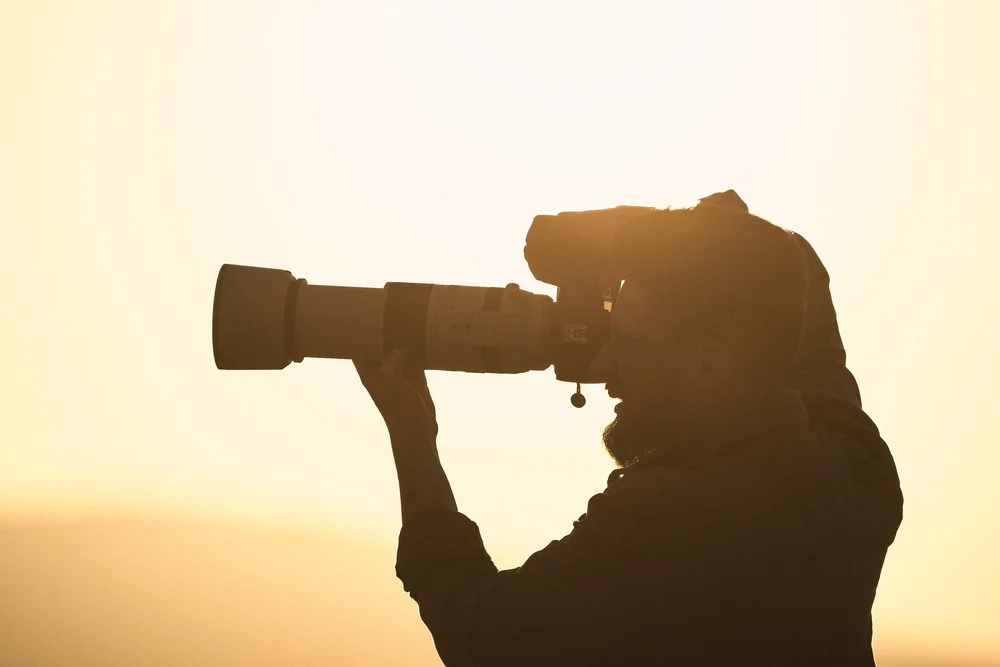
Smartphones: Modern phones take excellent photos. Consider a clip-on telephoto lens for extra reach. Pros: always with you, easy to use, good enough for most travelers.

Bridge cameras: All-in-one cameras with superzoom lenses (30-60x optical zoom). Great for travelers who want better reach without interchangeable lenses. Lightweight and versatile.

DSLR/Mirrorless: For enthusiasts – bring one body and versatile zoom (100-400mm) rather than multiple lenses to avoid changing in dust. Consider renting if you don't own.

Action cameras: GoPro-style cameras for unique perspectives – mounting on vehicle, time-lapses, underwater (Zanzibar).

Binoculars with camera: Some models combine viewing and photography – useful for digiscoping (taking photos through binoculars).

Binoculars and Optics

Binoculars: Essential – 8x42 or 10x42 recommended. Consider image-stabilized models if you have shaky hands.

Spotting scope: For serious birders or those who want maximum magnification. Heavy – consider if you'll use it enough.

Monocular: Lighter alternative for travelers who don't want full binoculars.

Apps for Safari

Field guides:

  • iGoTerra / eBird – for bird lists and tracking sightings
  • Roberts Bird Guide / Birds of East Africa apps – comprehensive bird information
  • Mammals of Africa – digital field guide
  • Night Sky / Star Walk – for stargazing

Photography apps:

  • Lightroom Mobile – edit photos on the go
  • PhotoPills – plan golden hour and composition
  • Snapseed – quick, powerful editing

Navigation and practical:

  • Maps.me – offline maps (excellent for Tanzania)
  • XE Currency – currency converter
  • Google Translate – Swahili phrases offline
  • Weather apps – check conditions
  • Flight tracking apps – monitor flight status

Language apps:

  • Duolingo – learn basic Swahili before you go
  • Swahili phrasebook apps – for on-the-spot phrases

Power and Connectivity

Power bank: Essential – 10,000-20,000 mAh for multiple device charges.

Universal adapter: Tanzania uses British-style three-pin plugs (Type G).

Multi-port USB charger: Charge multiple devices from one outlet.

Solar charger: For longer safaris or camping – ensure it's powerful enough.

Portable backup drive: For backing up photos – Wi-Fi enabled drives allow wireless transfer.

Health and Comfort

Portable water purifier: Reduces plastic bottle use – LifeStraw or similar.

Personal air purifier: For those concerned about air quality (though safari air is generally excellent).

Travel-friendly pillow/blanket: For long flights and bumpy roads.

Noise-canceling headphones: For flights and relaxing at lodge.

Communication

Local SIM card: Buy at airport (Vodacom, Airtel, Tigo) for data – much cheaper than roaming.

Satellite messenger/communicator: For remote areas or peace of mind (Garmin inReach, SPOT).

Walkie-talkies: For family groups with multiple vehicles.

What Not to Bring

  • Drones (prohibited in national parks)
  • Laser pointers (disturb wildlife)
  • External speakers (respect others' experience)
  • Too many gadgets (you'll spend more time with tech than nature)
  • Valuables you'd worry about

Technology Etiquette

  • Keep devices on silent during game drives
  • Don't use speakers – use headphones
  • Limit screen time – be present in the moment
  • Ask before photographing people
  • Respect others' experience – no loud video calls
  • Turn off notifications during game drives

Our Advice

Bring technology that enhances your experience without distracting from it. The best safari memories often come from moments when you're fully present, not looking through a screen. Balance capturing with experiencing.

Safari and Conservation: How Tourism Helps Wildlife

July 05, 2025 Dr. Anna Mkono Cultural Tourism
Safari and Conservation: How Tourism Helps Wildlife

How Your Safari Protects Wildlife

Some travelers worry that tourism might harm wildlife. In fact, responsible tourism is one of the strongest forces for conservation in Africa. Your safari directly contributes to protecting the animals and habitats you've come to see.

The Economics of Conservation

Wildlife has economic value when it attracts tourists. Parks generate revenue through entrance fees, which fund ranger salaries, anti-poaching patrols, research, and infrastructure. Communities benefit from tourism through employment and revenue sharing, giving them reason to protect rather than poach wildlife.

Put simply: wildlife is worth more alive than dead. A single lion can generate hundreds of thousands of dollars in tourism revenue over its lifetime – far more than the one-time value of a skin or trophy. This economic reality drives conservation.

How Park Fees Help

National park fees ($50-80 per person per day) directly support:

  • Ranger salaries and training
  • Anti-poaching patrols and equipment
  • Research and monitoring programs
  • Park infrastructure (roads, signage, facilities)
  • Community outreach and education
  • Conservation management

Without tourism, parks would lack funding for these essential activities.

Community Benefits

Tourism provides employment and income for communities living near parks:

  • Lodge and camp staff (guides, waiters, housekeepers, managers)
  • Cultural tourism (village visits, craft sales)
  • Revenue sharing from park fees
  • Supply chains (food, materials sourced locally)
  • Conservancy payments (communities leasing land for conservation)

When communities benefit from wildlife, they become its protectors. Poaching decreases, and human-wildlife conflict is managed more constructively.

Conservation-Focused Lodges

Many luxury lodges actively support conservation:

  • Singita: Extensive conservation programs, anti-poaching, research, and community development
  • &Beyond: Africa Foundation supports education, healthcare, and conservation
  • Asilia: Conservation and community partnerships across East Africa
  • Elewana: Supports conservation and community projects
  • Nomad Tanzania: Conservation initiatives in remote areas

Staying at these properties ensures your tourism dollars directly support conservation.

Anti-Poaching Support

Tourism funds anti-poaching efforts through:

  • Direct lodge contributions to anti-poaching units
  • Park fees funding ranger patrols
  • Guest donations to conservation organizations
  • Funding for canine units, vehicles, and equipment
  • Support for intelligence networks and community scouts

Research and Monitoring

Tourism supports scientific research:

  • Funding for research projects
  • Support for research camps and facilities
  • Citizen science programs where guests contribute data
  • Monitoring of wildlife populations and health
  • Tracking of migration patterns and habitat use

Habitat Protection

Tourism creates economic value for wild lands:

  • National parks protect habitat permanently
  • Private concessions and conservancies add protected areas
  • Wildlife corridors are maintained for migration
  • Land that might be converted to agriculture or development stays wild
  • Buffer zones around parks reduce human-wildlife conflict

Challenges and Responsibilities

Tourism must be managed carefully to avoid negative impacts:

  • Vehicle congestion at sightings can stress animals
  • Development can fragment habitat if poorly planned
  • Waste and pollution must be managed
  • Cultural impacts need respectful handling

Choose responsible operators who prioritize sustainability. Ask about conservation practices.

What You Can Do

  • Choose responsible operators and lodges
  • Respect wildlife viewing guidelines
  • Support conservation-focused properties
  • Donate to reputable conservation organizations
  • Share conservation messages with others
  • Visit parks – your presence supports them
  • Buy local crafts and support community enterprises
  • Minimize waste and plastic use

Our Commitment

Luxus in Africa is committed to conservation. We partner with lodges that protect wildlife, support communities, and minimize environmental impact. Your safari with us contributes directly to protecting Tanzania's natural heritage for generations to come.

Safari and Wellness: Mindfulness in the Wild

July 01, 2025 Sarah Johnson Cultural Tourism
Safari and Wellness: Mindfulness in the Wild

Find Your Peace in the Wild

A safari offers more than wildlife viewing – it's an opportunity to disconnect from daily stress and reconnect with yourself and nature. Incorporating mindfulness and wellness practices can deepen your experience and leave you truly rejuvenated.

What Is Mindfulness on Safari?

Mindfulness means being fully present in the moment, aware of your surroundings and sensations without judgment. On safari, this might mean truly experiencing the sights, sounds, and feelings of the bush rather than just chasing the next photo opportunity.

Mindful Game Drives

  • Put the camera down sometimes: Experience moments fully rather than through a lens. Some of your most vivid memories will be from times you simply watched.
  • Engage all senses: Notice sounds (bird calls, wind, animal movements), smells (earth, grass, rain), and feelings (warm sun, cool breeze).
  • Breathe deeply: Take moments to breathe deeply, especially when viewing spectacular scenes.
  • Observe without judgment: Watch animal behavior without labeling it – just observe what's happening.
  • Be patient: Don't rush from sighting to sighting. Sometimes the best moments come when you're still.

Morning Mindfulness

Start your day with intention:

  • Wake early to watch sunrise from your deck or a quiet spot
  • Set an intention for the day (gratitude, patience, curiosity)
  • Practice deep breathing before morning game drive
  • Notice the sounds of the bush awakening
  • Take a few moments of silence before joining others

Evening Reflection

End your day mindfully:

  • Watch sunset without distractions – no phone, no camera
  • Journal about your experiences – what touched you, surprised you, taught you
  • Practice gratitude for the day's sightings and experiences
  • Listen to night sounds as darkness falls
  • Stargaze – the African sky is spectacular

Yoga and Meditation on Safari

Many luxury lodges offer wellness activities:

  • Sunrise yoga on decks overlooking the bush
  • Guided meditation in quiet locations
  • Breathing sessions before game drives
  • Spa treatments using local ingredients
  • Wellness consultations and programs

Ask about properties with dedicated wellness offerings.

Walking Safaris as Mindfulness Practice

Walking safaris naturally encourage mindfulness – you move slowly, notice details, and engage fully with your surroundings. The focus on tracks, plants, and small creatures brings you into the present moment.

Digital Detox

Consider limiting device use during your safari:

  • Turn off notifications
  • Designate specific times for checking messages (if necessary)
  • Leave phone in room during game drives (except for photos)
  • Use camera, then put it away and just watch
  • Embrace the freedom of being unreachable

Wellness Cuisine

Many lodges offer healthy dining options:

  • Fresh, local ingredients
  • Vegetarian and vegan options
  • Light, nutritious meals
  • Accommodation of dietary preferences
  • Mindful eating – savor each bite without distraction

Bringing Mindfulness Home

The peace you find on safari can stay with you:

  • Notice nature in your daily environment
  • Practice patience and presence in everyday moments
  • Recall safari memories during stressful times
  • Maintain a gratitude practice
  • Continue observing without judgment

Our Wellness Safaris

Luxus in Africa offers specialized wellness safaris combining wildlife experiences with dedicated wellness activities. These retreats include daily yoga, meditation, spa treatments, and healthy cuisine, led by experienced practitioners. Ask us for details.

Safari and Photography Ethics

June 25, 2025 Robert Kamau Safari Destinations
Safari and Photography Ethics

Putting Wildlife First

Wildlife photography is about capturing beautiful images, but never at the expense of animal welfare. Ethical photography ensures animals are not stressed, disturbed, or put at risk for the sake of a photo. Here's how to photograph responsibly.

The Golden Rule

Animal welfare always comes first. If your presence changes an animal's behavior, you're too close. Move back, wait, or leave. No photograph is worth causing stress or harm.

Maintain Distance

Use telephoto lenses rather than approaching closely. Different species have different comfort zones – your guide knows appropriate distances. Signs of stress include:

  • Animals moving away from vehicle
  • Change in posture or alertness
  • Vocalizations (alarm calls)
  • Defensive behaviors (ears back, teeth bared)
  • Interruption of normal activities (feeding, resting, mating)
  • Hiding or shielding young

If you see any of these, you're too close. Move away.

Never Bait or Lure

Never use food, calls, or other attractants to bring animals closer. This disrupts natural behavior and can habituate animals to humans, leading to conflict. Ethical operators never bait for photographs.

Respect Breeding and Resting Areas

Give extra space to:

  • Nesting birds and breeding sites
  • Mothers with young
  • Mating animals
  • Animals with prey
  • Resting animals (especially during midday heat)

Vehicle Ethics

  • Never chase animals – let them move naturally
  • Don't block escape routes
  • Limit time at sightings – other vehicles waiting may stress animals
  • Keep engine off or quiet when stationary near animals
  • Stay on designated tracks unless in concessions allowing off-road
  • Don't surround animals – give them escape options

Nocturnal Photography

  • Avoid using flash – it can temporarily blind animals and disrupt night vision
  • If using artificial light, use red filters which are less disturbing
  • Limit time with nocturnal animals – they need darkness to hunt and move
  • Never spotlight animals for extended periods

Drone Photography

Drones are strictly prohibited in Tanzania's national parks and most protected areas. They disturb wildlife enormously – many species perceive them as predators. Never fly a drone on safari. Leave it at home.

Respecting Other Photographers

  • Take turns at sightings – don't monopolize
  • Position vehicle considerately, not blocking others' views
  • Communicate with other guides/drivers
  • Be patient – good photography takes time
  • Share information about sightings responsibly

Digital Ethics

  • Don't share location of sensitive species in real-time
  • Be honest about your images – don't claim wild animals were in situations that were staged
  • Consider not posting images that could attract crowds to sensitive areas
  • Use your photos to educate about conservation

What to Do If You See Unethical Behavior

If you witness other vehicles or photographers behaving unethically (harassing animals, off-road driving in prohibited areas, baiting):

  • Don't confront directly – it can escalate
  • Note vehicle/company details if possible
  • Report to your guide or lodge manager
  • If serious, report to park authorities with evidence

Our Commitment

Luxus in Africa works only with guides and operators who adhere to strict ethical guidelines. We prioritize animal welfare over getting "the shot." Our guides will help you capture beautiful images while ensuring wildlife comes first.

Safari and Social Media: Sharing Your Adventure

June 20, 2025 Emma Roberts Cultural Tourism
Safari and Social Media: Sharing Your Adventure

Share the Magic Responsibly

Social media lets you share your safari adventure with friends and family, inspiring others to experience Africa's wonders. But responsible sharing ensures you respect wildlife, other guests, and local communities. Here's how to share well.

Etiquette for Sharing Wildlife Photos

  • Never share location in real-time: Predators especially can be disturbed by crowds gathering. Wait until you've left the area to post.
  • Avoid geotagging sensitive locations: Rhinos and other endangered species need protection from poachers – don't reveal precise locations.
  • Don't share images of animal distress: Avoid photos showing animals stressed, injured, or behaving abnormally due to human presence.
  • Respect guide instructions: Some sightings may have viewing protocols – follow them.
  • Be honest about encounters: Don't claim sightings were closer or more dramatic than reality.

Respecting Other Guests

  • Keep phone on silent during game drives
  • Avoid loud video calls in shared spaces
  • Be mindful of others in photos – don't include without permission
  • Limit posting of lodge/common areas showing other guests
  • Ask before photographing staff or fellow travelers

Respecting Local Communities

  • Always ask permission before photographing people
  • Respect if someone declines to be photographed
  • Don't post photos that could embarrass or disrespect subjects
  • Consider context – a posed photo for tourists may not represent daily life
  • Don't share images of poverty or sensitive situations without context

Practical Tips for Social Media on Safari

  • Connectivity: Many lodges have Wi-Fi, but it's often slow. Download content for posting later.
  • Battery life: Posting drains battery – carry power bank.
  • Data usage: Consider local SIM card if posting frequently.
  • Backup photos: Don't rely solely on cloud backup – slow connections may fail.
  • Schedule posts: Use scheduling tools to post after your safari.
  • Create albums: Share multiple photos at once rather than constant individual posts.

What to Share

  • Stunning landscapes and wildlife (with location only after departure)
  • Conservation messages – educate followers about protecting wildlife
  • Cultural experiences (with permission and respect)
  • Lodge and accommodation highlights
  • Behind-the-scenes of safari life
  • Fun moments (sundowners, bush breakfasts)
  • What you're learning about Tanzania and its people

What Not to Share

  • Real-time locations of sensitive wildlife
  • Photos of distressed animals or poor behavior by other tourists
  • Unflattering images of staff or community members
  • Information that could compromise safety or conservation
  • Photos of other guests without permission
  • Complaints about minor issues (address with lodge directly)

Hashtags to Use

#Tanzania #Safari #Serengeti #Ngorongoro #Zanzibar #AfricanSafari #WildlifePhotography #LuxurySafari #TravelAfrica #LuxusinAfrica #GreatMigration #BigFive #Conservation #TravelTanzania

Inspire Responsible Travel

Use your platform to encourage responsible tourism:

  • Share conservation messages
  • Highlight sustainable lodges and practices
  • Encourage followers to choose ethical operators
  • Educate about wildlife protection
  • Show respect for local cultures
  • Promote responsible photography

Our Request

We'd love to see your photos! Tag @luxusinafrica when sharing. By sharing responsibly, you help protect the places and wildlife you've come to love.