Luxus in Africa Blog

Expert safari guides, wildlife stories, travel tips, and conservation news from Tanzania

Category: Safari Destinations Clear

Safari and Photography Ethics

June 25, 2025 Robert Kamau Safari Destinations
Safari and Photography Ethics

Putting Wildlife First

Wildlife photography is about capturing beautiful images, but never at the expense of animal welfare. Ethical photography ensures animals are not stressed, disturbed, or put at risk for the sake of a photo. Here's how to photograph responsibly.

The Golden Rule

Animal welfare always comes first. If your presence changes an animal's behavior, you're too close. Move back, wait, or leave. No photograph is worth causing stress or harm.

Maintain Distance

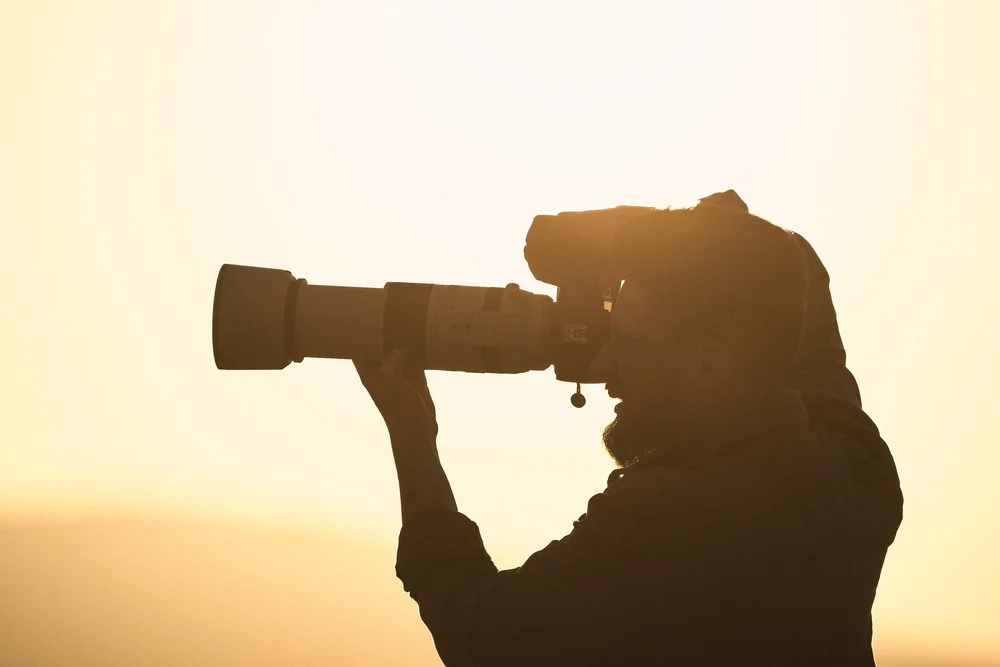
Use telephoto lenses rather than approaching closely. Different species have different comfort zones – your guide knows appropriate distances. Signs of stress include:

  • Animals moving away from vehicle
  • Change in posture or alertness
  • Vocalizations (alarm calls)
  • Defensive behaviors (ears back, teeth bared)
  • Interruption of normal activities (feeding, resting, mating)
  • Hiding or shielding young

If you see any of these, you're too close. Move away.

Never Bait or Lure

Never use food, calls, or other attractants to bring animals closer. This disrupts natural behavior and can habituate animals to humans, leading to conflict. Ethical operators never bait for photographs.

Respect Breeding and Resting Areas

Give extra space to:

  • Nesting birds and breeding sites
  • Mothers with young
  • Mating animals
  • Animals with prey
  • Resting animals (especially during midday heat)

Vehicle Ethics

  • Never chase animals – let them move naturally
  • Don't block escape routes
  • Limit time at sightings – other vehicles waiting may stress animals
  • Keep engine off or quiet when stationary near animals
  • Stay on designated tracks unless in concessions allowing off-road
  • Don't surround animals – give them escape options

Nocturnal Photography

  • Avoid using flash – it can temporarily blind animals and disrupt night vision
  • If using artificial light, use red filters which are less disturbing
  • Limit time with nocturnal animals – they need darkness to hunt and move
  • Never spotlight animals for extended periods

Drone Photography

Drones are strictly prohibited in Tanzania's national parks and most protected areas. They disturb wildlife enormously – many species perceive them as predators. Never fly a drone on safari. Leave it at home.

Respecting Other Photographers

  • Take turns at sightings – don't monopolize
  • Position vehicle considerately, not blocking others' views
  • Communicate with other guides/drivers
  • Be patient – good photography takes time
  • Share information about sightings responsibly

Digital Ethics

  • Don't share location of sensitive species in real-time
  • Be honest about your images – don't claim wild animals were in situations that were staged
  • Consider not posting images that could attract crowds to sensitive areas
  • Use your photos to educate about conservation

What to Do If You See Unethical Behavior

If you witness other vehicles or photographers behaving unethically (harassing animals, off-road driving in prohibited areas, baiting):

  • Don't confront directly – it can escalate
  • Note vehicle/company details if possible
  • Report to your guide or lodge manager
  • If serious, report to park authorities with evidence

Our Commitment

Luxus in Africa works only with guides and operators who adhere to strict ethical guidelines. We prioritize animal welfare over getting "the shot." Our guides will help you capture beautiful images while ensuring wildlife comes first.

Safari with Children: Tips for Parents

May 05, 2025 Emma Roberts Safari Destinations
Safari with Children: Tips for Parents

Creating Lifelong Memories for Young Explorers

A family safari is an adventure that children will remember forever. The excitement of seeing wild animals in their natural habitat, learning about different cultures, and spending quality time together creates bonds that last a lifetime. With proper planning, a safari can be an enriching experience for the whole family.

Age Recommendations

Most luxury camps and lodges accept children aged 6 and above. Some family-friendly properties welcome younger children, especially those with private villas or family units. Here's a general guide:

  • Under 5 years: Limited options – private villas or family-friendly lodges with babysitting services. Game drives may be too long for this age group.
  • 6-12 years: Welcome at many camps, often with special activities and menus. Game drives can be tailored to shorter durations.
  • 13+ years: Treated as adults at most properties, can participate in all activities (walking safaris age restrictions may apply).

Choosing Family-Friendly Accommodations

Look for properties that offer:

  • Family suites or interconnected rooms
  • Kids' menus and flexible meal times
  • Swimming pools (essential for afternoon breaks)
  • Babysitting services (usually available at extra cost)
  • Junior ranger or kids' activity programs
  • Private vehicles (recommended for families)
  • Family-friendly guides experienced with children

We can recommend properties specifically suited to families with children.

Activities for Children

Junior Ranger Programs: Many camps offer certified programs where children learn tracking, animal identification, and conservation. They receive a certificate at the end – a wonderful souvenir.

Nature Walks: Guided walks (age-appropriate) focusing on tracks, insects, and plants – fascinating for curious minds.

Bush Skills: Learning to make fire, identify animal tracks, or throw a Maasai spear – interactive and educational.

Cooking Classes: Simple Swahili cooking lessons – fun and tasty.

Beadwork and Crafts: Learning traditional crafts from local women.

Star Gazing: The African night sky is spectacular – many camps offer guided stargazing.

Swimming: Essential afternoon activity while parents relax.

Game Drives: Shorter drives (2-3 hours) with breaks and snacks keep children engaged. Private vehicles allow flexibility to return early if needed.

Tips for Successful Family Safaris

  • Pack entertainment: Small games, books, tablets (for downtime, not game drives)
  • Bring snacks: Familiar favorites for picky eaters (though lodges provide excellent food)
  • Child-friendly binoculars: Small, lightweight models for independent viewing
  • Cameras for kids: Let them document their own safari
  • Comfort items: Favorite stuffed animal or blanket
  • Sun protection: Hats, sunscreen, sunglasses for children
  • Insect repellent: Child-safe formulas
  • Patience: Game drives require patience – be prepared for shorter sessions
  • Involve children: Let them help spot animals, keep a journal, draw pictures
  • Choose appropriate parks: Tarangire, Lake Manyara, Ngorongoro offer reliable wildlife with shorter drives between sightings

Sample Family Itinerary (7-8 Days)

Days 1-2: Arusha area – relax, visit cultural heritage center, adjust to time zone

Days 3-4: Tarangire National Park – family-friendly lodge, shorter game drives, pool time

Days 5-6: Ngorongoro Crater – crater tour (half-day), visit Empakaai Crater or Maasai village

Day 7: Lake Manyara – explore this compact park with tree-climbing lions

Day 8: Return Arusha, departure

This itinerary keeps driving distances manageable and offers variety.

Health and Safety

  • Consult a travel doctor about malaria prophylaxis for children
  • Pack child-appropriate insect repellent and sun protection
  • Bring basic first aid supplies and any regular medications
  • Ensure children stay hydrated – fun water bottles help
  • Discuss safari rules: stay in vehicle, speak quietly, follow guide's instructions
  • Know lodge medical facilities and emergency procedures

Safari for Photographers: Tips and Locations

May 01, 2025 Robert Kamau Safari Destinations
Safari for Photographers: Tips and Locations

Capturing the Magic of Africa

Tanzania is a photographer's dream – from the golden light of dawn over the Serengeti to the intimate moments of wildlife interactions. Whether you're an enthusiast with a new DSLR or a seasoned professional, these tips will help you return with stunning images.

Gear Recommendations

Camera Bodies:

  • Two bodies ideal – one with wide lens, one with telephoto (avoids lens changes in dust)
  • Full-frame sensors for low-light performance
  • Crop sensors give extra reach (useful for wildlife)
  • Mirrorless systems increasingly popular – lighter, excellent performance

Lenses:

  • Telephoto (essential): 100-400mm, 200-500mm, or 150-600mm – versatile for wildlife
  • Prime telephoto: 400mm f/2.8 or 600mm f/4 for professionals (heavy, need support)
  • Wide-angle: 16-35mm or 24-70mm for landscapes, environmental shots
  • Mid-range zoom: 24-105mm or 24-120mm for general use
  • Extender/teleconverter: 1.4x or 1.7x for extra reach (reduces aperture slightly)

Support and Accessories:

  • Bean bag: Essential for vehicle window support (lighter than tripod)
  • Monopod: Useful for walking safaris or vehicle use
  • Tripod: For landscapes, astrophotography, and camp use
  • Extra batteries: Cold mornings drain batteries quickly
  • Multiple memory cards: High-capacity, fast cards (minimum 64GB each)
  • Card reader and backup device: Laptop or external drive
  • Lens cleaning kit: Dust is inevitable – blower, brush, microfiber cloths
  • Circular polarizer: Reduces glare, enriches colors
  • Neutral density filters: For creative effects

Camera Settings for Wildlife

Shutter speed: 1/500s minimum for stationary/walking animals; 1/1000s+ for running/birds in flight; 1/200s+ for large animals if you want slight motion blur for artistic effect.

Aperture: f/4-f/5.6 for isolating subjects (blurry backgrounds); f/8-f/11 for group shots or when you want more depth of field.

ISO: Keep as low as possible, but don't hesitate to increase in low light (dawn/dusk). Modern cameras handle ISO 1600-6400 well.

Focus mode: Continuous/AI Servo for moving subjects. Back-button focus gives more control.

Drive mode: High-speed continuous for action sequences.

Exposure mode: Aperture priority with exposure compensation often works well; manual for consistent exposure across sequences.

Metering: Evaluative/matrix metering generally good; spot metering for high-contrast situations.

Composition Techniques

  • Rule of thirds: Place subjects off-center for dynamic images
  • Leading lines: Use roads, rivers, or tree lines to draw viewers in
  • Eye contact: Focus on the eyes – they should be sharp
  • Negative space: Leave room for animal to "move into" the frame
  • Background: Watch for distracting elements (branches, other vehicles)
  • Eye level: Shoot at animal's eye level when possible
  • Environmental portraits: Include habitat to tell the full story
  • Behavior shots: Capture interactions, feeding, hunting
  • Golden hour: Plan shoots around sunrise and sunset

Prime Photography Locations in Tanzania

Serengeti National Park:

  • Southern Serengeti/Ndutu (Jan-Mar): Calving season – thousands of wildebeest and zebras with newborns, intense predator action
  • Western Corridor/Grumeti (May-Jul): River crossings, dramatic action
  • Northern Serengeti/Kogatende (Jul-Oct): Mara River crossings, crocodile attacks
  • Central Seronera Valley (year-round): Reliable wildlife, excellent for big cats

Ngorongoro Crater: Incredible concentration of wildlife, stunning caldera backdrop. Great for rhino photography and dramatic landscapes.

Tarangire National Park: Iconic baobab trees, large elephant herds (dry season), beautiful light through acacia woodlands.

Lake Manyara: Tree-climbing lions, flamingos (seasonal), forest birds, dramatic Rift Valley escarpment.

Ruaha National Park: Remote, fewer vehicles, excellent for predator photography and unique landscapes.

Selous Game Reserve: Boat safaris offer unique water-level perspectives of wildlife.

Photographic Safaris with Luxus in Africa

We offer specialized photographic safaris led by professional photographers who know both wildlife behavior and camera gear. These small-group experiences include:

  • Expert photographic guidance throughout
  • Private vehicles with charging stations and bean bags
  • Extended golden-hour game drives
  • Access to private hides and concessions
  • Post-processing workshops and portfolio reviews
  • Small groups (max 4-6 photographers)

The Big Five: Where to Find Them in Tanzania

April 15, 2025 Luxus in Africa Team Safari Destinations
The Big Five: Where to Find Them in Tanzania

Africa's Most Wanted

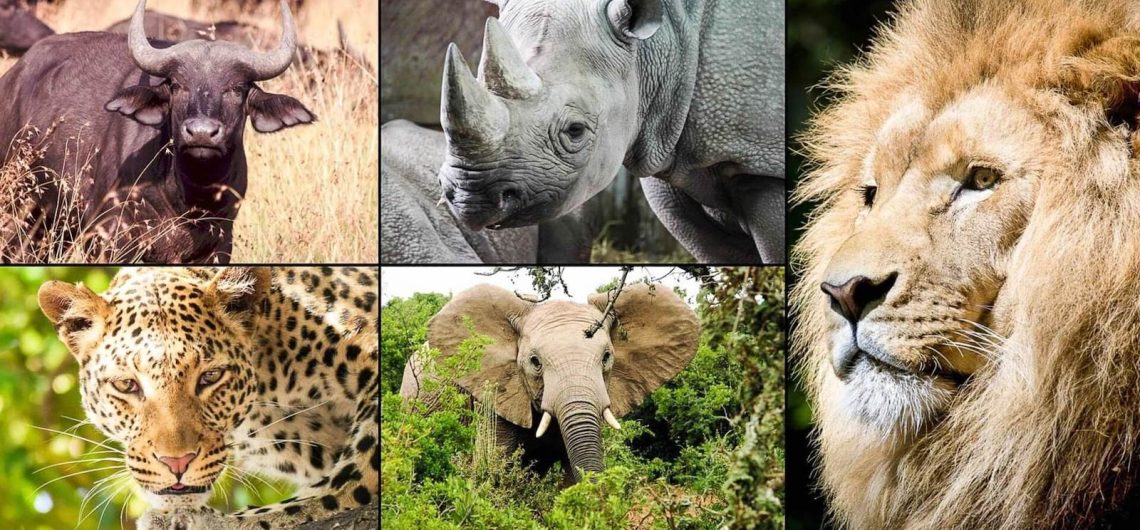
The "Big Five" – lion, leopard, elephant, rhino, and buffalo – were originally named for their difficulty to hunt on foot. Today, they're the most sought-after sightings on safari. Tanzania offers excellent opportunities to see all five, though some require more effort than others.

Lion (Panthera leo)

Tanzania has the largest lion population in Africa, estimated at 15,000-20,000 individuals.

Best places to see lions:

  • Serengeti National Park: Exceptional throughout, particularly central Seronera Valley and during migration (high prey density)
  • Ngorongoro Crater: High density, often seen on the crater floor
  • Ruaha National Park: Large population, excellent for seeing big prides
  • Selous Game Reserve: Good populations, fewer tourists
  • Tarangire National Park: Good sightings year-round

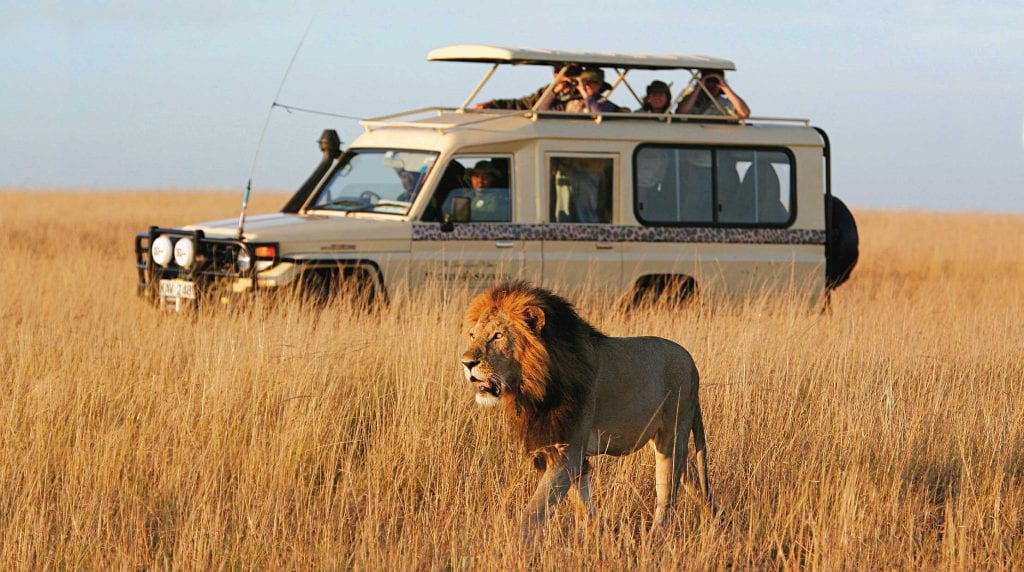
Tips: Lions are most active at dawn and dusk. During the heat of the day, they rest in shade, often near rocks or under trees. In the Serengeti, follow the migration – lions follow the herds.

Leopard (Panthera pardus)

The most elusive of the Big Five. Leopards are solitary, secretive, and often hide during the day.

Best places to see leopards:

  • Serengeti National Park: Seronera Valley is famous for leopards, particularly along the Seronera River
  • Lake Manyara National Park: Good population, often seen in trees
  • Ngorongoro Crater: Leopards present, though less common than lions
  • Ruaha National Park: Healthy population
  • Tarangire National Park: Good sightings, particularly in trees
  • Private concessions: Night drives increase chances significantly

Tips: Look up – leopards often rest in trees during the day with their kill. Scan rocky outcrops and riverbanks. Early morning and late afternoon are best. Follow the sound of alarm calls from baboons or other animals.

African Elephant (Loxodonta africana)

Tanzania's elephant populations have recovered well in many areas after poaching declines.

Best places to see elephants:

  • Tarangire National Park: Famous for large herds (up to 300) during dry season
  • Ruaha National Park: Second largest elephant population in Tanzania
  • Selous Game Reserve: Large population, fewer tourists
  • Serengeti National Park: Present throughout, though less concentrated than Tarangire
  • Lake Manyara: Good population, known for elephants in forest
  • Ngorongoro Crater: Small resident population, mainly bulls

Tips: Visit Tarangire June-October for massive herds around the river. Elephants are most active morning and late afternoon. Watch for family groups with youngsters – adorable but protective mothers.

Black Rhino (Diceros bicornis)

The most endangered of the Big Five. Tanzania's black rhino population is small but protected. Sightings require patience and luck.

Best places to see rhinos:

  • Ngorongoro Crater: Best chance in Tanzania, with a resident population of 25-30 rhinos, often seen on the crater floor
  • Serengeti National Park: Small population in Moru Kopjes area, but sightings rare
  • Mkomazi National Park: Rhino sanctuary with good viewing chances
  • Selous Game Reserve: Small population, very rare sightings

Tips: Ngorongoro is your best bet. Rhinos are most active early morning and late afternoon. They prefer open grasslands where they can see approaching threats. Use binoculars to spot them at a distance – rangers track them constantly and can guide you to recent sightings.

African Buffalo (Syncerus caffer)

The most numerous and widely distributed of the Big Five. Buffalo are found throughout Tanzania's parks, often in large herds.

Best places to see buffalo:

  • Serengeti National Park: Large herds everywhere
  • Ngorongoro Crater: Large resident herds
  • Katavi National Park: Massive herds (thousands) in dry season
  • Ruaha National Park: Large populations
  • Tarangire: Common, especially near water
  • Selous: Large herds in the park

Tips: Buffalo are almost guaranteed in any park. They're most active early and late, resting in shade during midday. Old bulls often separate from herds – these solitary individuals can be bad-tempered, so give them space.

Beyond the Big Five

While searching for the Big Five, don't overlook Tanzania's other incredible wildlife: cheetah, wild dog, giraffe, zebra, hippo, crocodile, and hundreds of bird species. The "Little Five" (elephant shrew, ant lion, leopard tortoise, buffalo weaver, rhino beetle) offer fun challenges for children and enthusiasts.

Private Safari Concessions: Exclusive Wildlife Viewing

April 10, 2025 Michael Thompson Safari Destinations
Private Safari Concessions: Exclusive Wildlife Viewing

Your Private Piece of Africa

While national parks offer spectacular wildlife viewing, private concessions take the safari experience to another level. These areas, leased from communities or government, offer exclusive access and activities not permitted in national parks.

What Are Private Concessions?

Private concessions are areas where a single operator (or small number of camps) has exclusive rights to offer safari experiences. They're typically adjacent to national parks or in wildlife-rich areas. Because only guests from the concession's camps can use the area, you'll share the wilderness with very few others.

Advantages of Private Concessions

Exclusive Access: You won't encounter dozens of vehicles at sightings. Wildlife viewing is intimate and private, with just your group and your guide.

Off-Road Driving: Unlike national parks where vehicles must stay on tracks, many concessions allow off-road driving. This means you can get closer to sightings and follow wildlife into the bush.

Night Drives: Most concessions permit night game drives, revealing nocturnal wildlife you won't see in national parks.

Walking Safaris: Walking is often permitted in concessions, offering a different perspective.

Flexible Schedules: Without park opening/closing times, you can start early, stay late, and plan your day around wildlife activity.

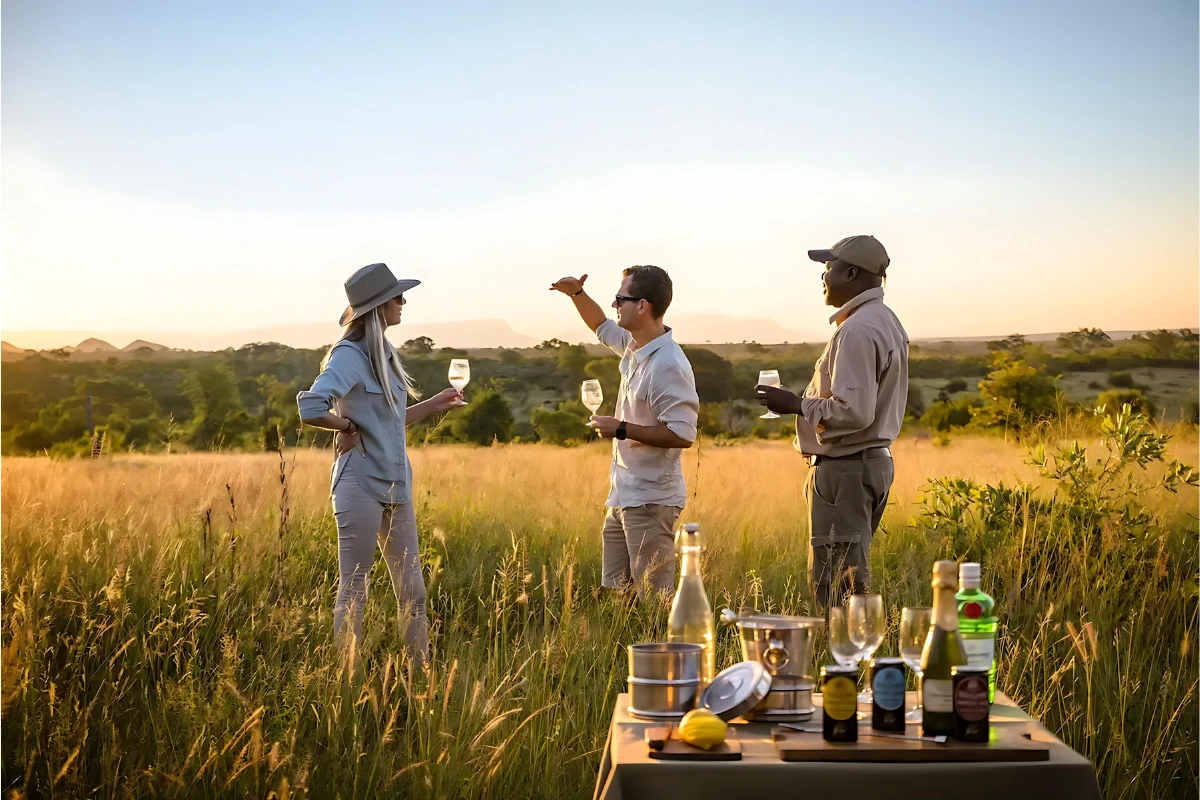
Bush Meals: Enjoy breakfast, lunch, or sundowners anywhere in the concession – not just designated picnic sites.

Fewer Vehicles: With only a handful of vehicles from the concession's camps, sightings are peaceful and uncrowded.

Top Private Concessions in Tanzania

Singita Grumeti Concession: 350,000 acres adjacent to Serengeti National Park. Home to five luxury properties, exceptional wildlife, and conservation-focused management. Excellent for migration river crossings, off-road driving, and night drives.

Namiri Plains Concession: Eastern Serengeti area, former cheetah research site. Known for exceptional big cat viewing, particularly cheetah. Limited to one camp, ensuring exclusivity.

Klein's Camp Concession: Private concession in the northern Serengeti, bordering the Masai Mara. Excellent for migration season, with off-road driving and night drives.

Grumeti Reserves: Various private reserves in the western Serengeti corridor, offering exclusive experiences and migration viewing.

Manyara Ranch Conservancy: Private conservancy between Lake Manyara and Tarangire, offering night drives, walking safaris, and excellent wildlife.

Selous Game Reserve: While technically a game reserve, large areas function like concessions with exclusive camps and walking safaris.

Concession vs. National Park: Which to Choose?

Both offer incredible experiences, and many itineraries combine them:

Choose a concession for:

  • Exclusive, private experiences
  • Off-road driving and night drives
  • Walking safaris
  • Fewer vehicles at sightings
  • Flexible schedules and bush meals

Choose national parks for:

  • Larger landscapes and migration spectacles
  • Ngorongoro Crater (unique caldera)
  • Broader range of accommodation options
  • Often lower cost than exclusive concessions

Conservation Benefits

Private concessions often lead conservation efforts. They fund anti-poaching, support research, and provide employment for local communities. By staying in concessions, you contribute directly to wildlife protection and community development.
Luxury Safari Lodges: Our Top Picks in Tanzania

February 01, 2025 Luxus in Africa Team Safari Destinations
Luxury Safari Lodges: Our Top Picks in Tanzania

Where Luxury Meets Wilderness

Tanzania is home to some of Africa's most spectacular luxury safari lodges and camps. We've curated a selection of our favorites, each offering unique experiences, exceptional service, and prime locations.

Serengeti National Park

Singita Grumeti: Located in a private concession in the western Serengeti, Singita offers unparalleled luxury with spacious suites, private plunge pools, and exceptional guiding. The property includes multiple camps and a lodge, each with its own character.
Perfect for: Honeymooners, discerning travelers, those seeking privacy

Four Seasons Safari Lodge Serengeti: The only true five-star hotel in the Serengeti, offering 77 rooms and suites with modern amenities, a stunning infinity pool overlooking a waterhole, and world-class service.
Perfect for: Families, those seeking resort-style amenities

Namiri Plains: Located in eastern Serengeti, this camp was built on a former cheetah research site and offers exceptional big cat viewing. The tented suites are spacious and elegant.
Perfect for: Photography enthusiasts, big cat lovers

&Beyond Serengeti Under Canvas: A mobile camp that moves with the migration, offering the ultimate authentic safari experience with all the comforts of a luxury lodge.
Perfect for: Migration followers, adventurers seeking flexibility

Ngorongoro Crater

&Beyond Ngorongoro Crater Lodge: Perched on the crater rim with spectacular views, this lodge combines Maasai-inspired decor with theatrical design. Each suite features a private veranda overlooking the crater.
Perfect for: Honeymooners, romance seekers

Lemala Ngorongoro: A tented camp on the crater rim with warm hospitality, comfortable tents, and excellent guides. The camp offers easy access to the crater floor.
Perfect for: Those seeking value without compromising on experience

Tarangire National Park

Lemala Mpingo Ridge: Perched on the escarpment with stunning views over the park, this lodge offers contemporary design, spacious suites with private plunge pools, and exceptional guiding.
Perfect for: Couples, design lovers

Sanctuary Swala: An intimate tented camp in a private concession, offering personalized service, elegant tents, and excellent wildlife viewing right from camp.
Perfect for: Privacy seekers, intimate experiences

Lake Manyara Area

Lake Manyara Tree Lodge: The only lodge inside Lake Manyara National Park, offering treehouse-style suites nestled in the mahogany forest. The design is romantic and secluded.
Perfect for: Honeymooners, those seeking in-park location

Ruaha National Park

Jabali Private Camp: An exclusive-use camp offering complete privacy with just four tents, private guide, and vehicle. Perfect for families or small groups seeking their own piece of wilderness.
Perfect for: Private groups, exclusive experiences

How to Choose

Selecting the right lodge depends on your preferences, travel style, and the experience you seek. Our safari specialists can guide you through the options and recommend properties that match your vision for the perfect safari.