Experience the Magic Without Breaking the Bank
"Luxury" doesn't always mean "most expensive." With smart choices, you can enjoy many elements of a luxury safari experience at surprisingly accessible price points. Here's how to maximize value without compromising on the magic.
Timing Is Everything
Travel during shoulder seasons (April-May, November) when rates drop 20-40% while wildlife viewing remains excellent. You'll enjoy greener landscapes, fewer tourists, and significant savings. Avoid peak Christmas/New Year and July-October migration seasons if budget is primary concern.
Choose Mid-Range Gems
Tanzania has excellent mid-range lodges and camps offering genuine comfort, good locations, and professional service at much lower prices than top-tier properties. Many are in the same areas as luxury camps – you're sharing the same wildlife experiences. We can recommend properties that offer the best value.
Consider Road Transfers
While flying saves time, road transfers are significantly cheaper. For budget-conscious travelers, mixing road and air (e.g., drive to some parks, fly from others) can balance cost and convenience. Road transfers also offer opportunities to see villages and landscapes between parks.
Share Your Vehicle
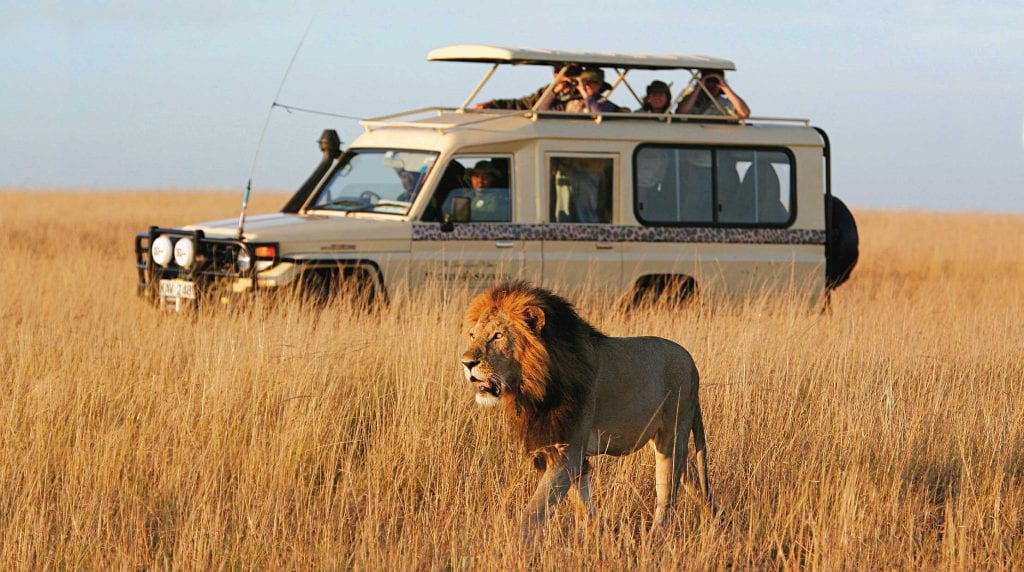
Private vehicles add significantly to cost. Joining a small group (4-6 people) in a shared vehicle can reduce expenses while adding social interaction. Many travelers enjoy meeting fellow safari-goers. We can recommend operators with good group safari options.
Focus Your Itinerary
Instead of visiting four parks in seven days (which requires long drives and multiple park fees), focus on two parks and spend more time in each. You'll save on park fees and transfers while enjoying a more relaxed pace. Quality over quantity.
Choose Lodge Over Mobile Camp
Permanent lodges often have lower rates than mobile camps that move with the migration. For example, staying in central Serengeti lodges year-round can be more affordable than following the migration. You still see excellent wildlife.
Book Early
Early booking (6-12 months ahead) often secures better rates and availability. Last-minute bookings may face limited choices and higher prices. Early planners also get first choice of rooms and guides.
Consider Self-Catering Options
For independent travelers, self-catering cottages or bandas (available in some areas like Usambara Mountains, Arusha) offer budget-friendly alternatives. Not a full luxury safari, but can be combined with lodge stays.
What's Worth Splurging On
If you must cut costs, consider where to invest:
- Guides: A good guide makes or breaks a safari – don't compromise here
- Location: Being inside parks saves drive time and offers prime wildlife access
- Ngorongoro Crater: Worth the premium – it's unique and unforgettable
- One luxury splurge: Consider one special night at a top property for celebration
Where to Save
- Accommodation category: Mid-range over top-tier – same wildlife, same parks
- Private vehicle: Share with others
- Flight transfers: Drive instead of fly for some segments
- Duration: Shorter safaris (4-5 days) cover highlights
- Extras: Limit balloon safaris, spa treatments, premium drinks
Sample Value Itinerary (6 Days)
Days 1-2: Tarangire National Park – mid-range lodge, game drives
Days 3-4: Lake Manyara – mid-range lodge, game drive, cultural visit
Day 5: Ngorongoro Crater – crater rim lodge, full crater tour
Day 6: Return Arusha, departure
This itinerary covers major highlights efficiently, with road transfers between parks.
Hidden Costs to Budget For
- National park fees ($50-80 per person/day)
- Tipping ($15-25 per person/day total for guide + camp staff)
- Visas ($50-100 depending on nationality)
- International flights
- Travel insurance (essential)
- Alcoholic beverages and premium drinks
- Optional activities (balloon safaris, spa)
- Souvenirs and crafts