Don't Believe Everything You Hear
First-time safari visitors often arrive with preconceptions shaped by movies, stories, and well-meaning advice. Some are accurate; others are myths that can cause unnecessary worry or unrealistic expectations. Let's set the record straight.
Myth 1: Safaris Are Dangerously Close to Wild Animals
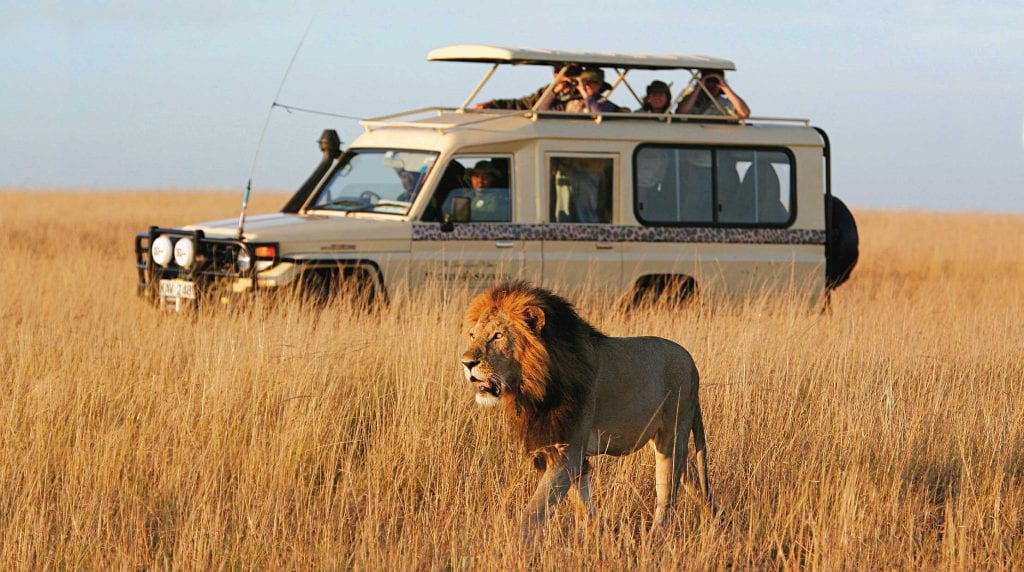
Reality: Professional guides are experts at reading animal behavior and maintaining safe distances. Animals in well-managed parks are accustomed to vehicles (which they see as non-threatening objects). Guides never approach too closely, and safety briefings cover proper behavior. Thousands of visitors enjoy safaris safely every year.
Myth 2: You'll See the Big Five Every Day
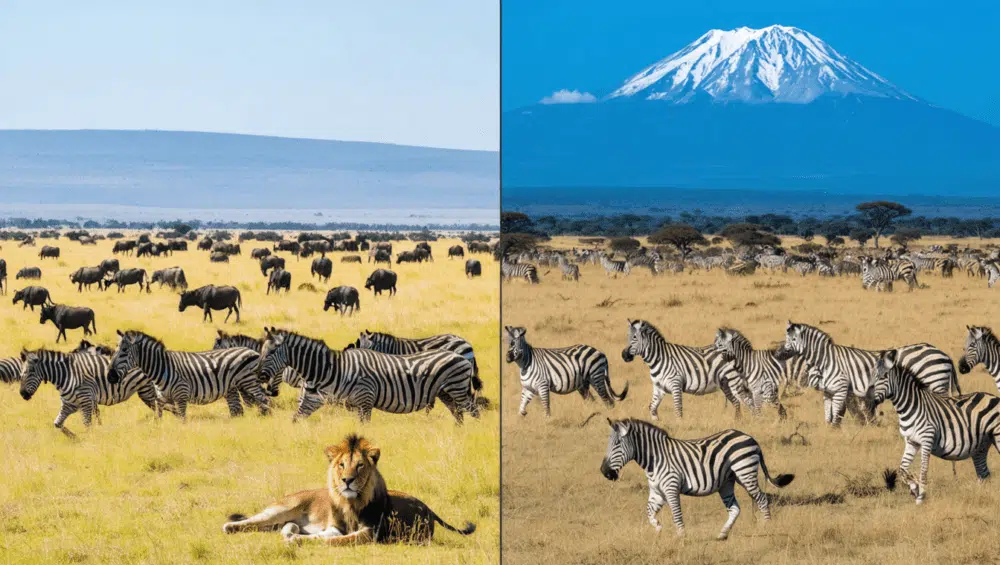
Reality: While Tanzania offers excellent wildlife viewing, sightings are never guaranteed. Rhinos in particular can be elusive. The magic of safari is the unpredictability – you never know what you'll see. Guides work hard to find animals, but nature isn't a zoo. Manage expectations, and you'll appreciate each sighting more.
Myth 3: You Need Expensive Camera Gear
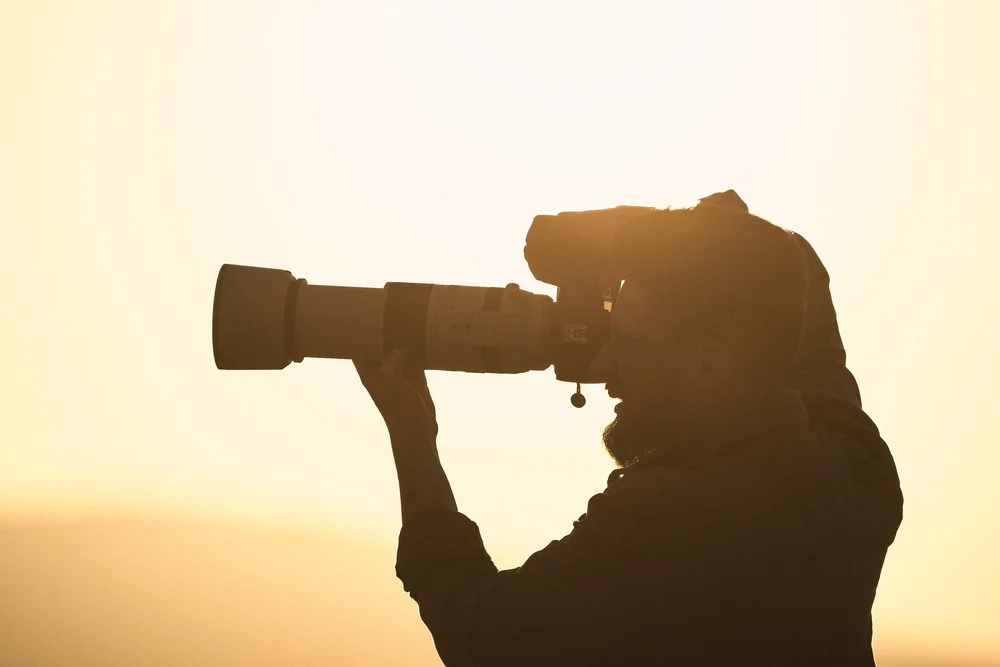
Reality: While professional photographers bring serious equipment, most travelers capture wonderful memories with smartphones and basic cameras. Modern phones have excellent cameras, and the landscapes are so stunning that even simple photos look good. Bring the best gear you have, but don't feel you need to invest thousands.
Myth 4: Africa Is Always Hot
Reality: Morning game drives (especially in dry season) can be surprisingly cold – temperatures near freezing in high-altitude areas like Ngorongoro. Even in the Serengeti, early mornings require fleeces and jackets. Days warm up, but evenings cool down again. Pack layers!
Myth 5: You'll Get Malaria No Matter What
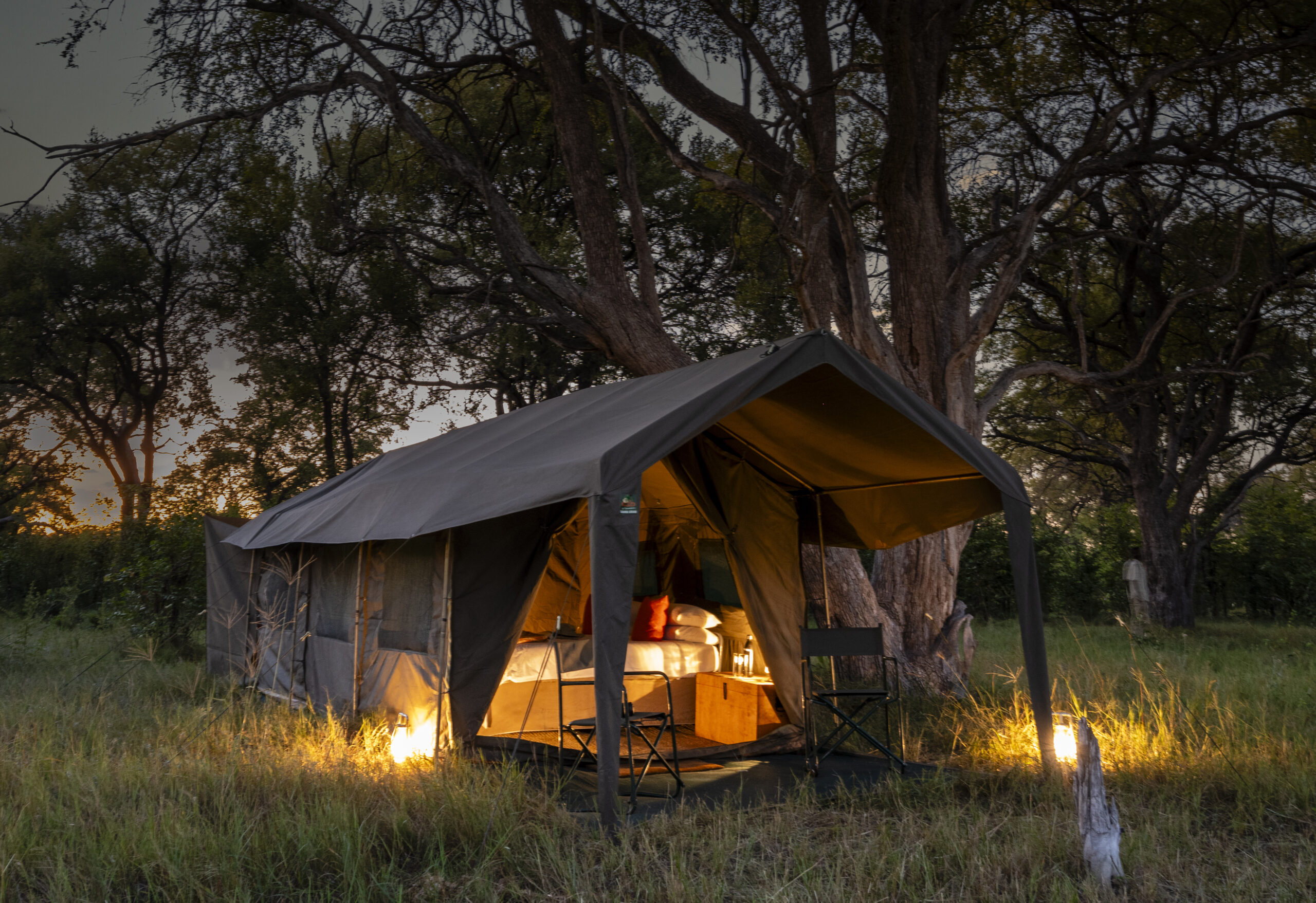
Reality: Malaria risk exists, but it's manageable with precautions. Take prescribed prophylaxis, use insect repellent, sleep under mosquito nets (provided at lodges), wear long sleeves at dawn/dusk, and stay in screened accommodations. With these measures, risk is low. Consult your doctor before travel.
Myth 6: Safari Vehicles Are Uncomfortable
Reality: Luxury safari vehicles are specially designed for comfort – pop-up roofs for viewing, cushioned seats, charging ports, and often refrigerators for drinks. Road quality varies, but vehicles have good suspension. Private vehicles offer even more comfort with personalized space.
Myth 7: You Need to Be Fit for Safari
Reality: Most safari activities (game drives) involve sitting in a vehicle. Walking safaris are optional and can be tailored to fitness levels. If you can manage getting in/out of a vehicle and short walks, you can enjoy a safari. Discuss any mobility concerns with us – we can recommend accessible options.
Myth 8: Food Is Basic or Unsafe
Reality: Luxury lodges offer excellent cuisine prepared by professional chefs. Menus feature international dishes alongside local specialties. Dietary requirements are accommodated with advance notice. Food safety standards are high – you're unlikely to get sick from lodge meals.
Myth 9: You'll Be Bored Between Game Drives
Reality: Between morning and afternoon game drives, lodges offer pools, spa treatments, guided walks (at some properties), cultural visits, or simply relaxation with views. Many travelers appreciate the downtime – it's part of the safari rhythm.
Myth 10: Tanzania Is Unsafe for Tourists
Reality: Tanzania is politically stable and welcoming to tourists. The safari industry is well-established with professional operators. Like any destination, exercise common sense – don't flash valuables, be aware in cities, use reputable transfers. The vast majority of visitors have safe, trouble-free experiences.
Myth 11: You Need to Book Everything Yourself
Reality: While DIY booking is possible, using a specialist operator like Luxus in Africa adds value – we know the best properties, have relationships with guides, handle logistics, and provide support. We often access better rates and can troubleshoot issues. It's not more expensive than booking independently when you factor in our expertise.
Myth 12: Tipping Is Optional
Reality: Tipping is expected for guides and camp staff who rely on tips as significant income. Guidelines are provided, but budget approximately $10-20 per guest per day for guides and similar for camp staff pools. Cash (US dollars) is preferred.